Engineered Absolute Barrier: Where Zero Contaminant Transfer Defines Manufacturing Excellence and Regulatory Success.
In the uncompromising realms of sterile pharmaceutical production, advanced biotech therapies, and ultra-pure cosmetic or food processing, the margin for error is nonexistent. A single microbial ingress, an airborne particle, or an operator-induced intervention can compromise an entire batch, resulting in catastrophic financial loss, severe regulatory sanctions, and irreparable damage to brand integrity. Our engineered Decontamination and Safety Systems transcend traditional cleanroom paradigms; they are active, intelligent barriers designed to enforce absolute separation between the critical process and potential contamination sources. We deliver integrated ecosystems—from surface sterilization tunnels to fully sealed isolators—that architecturally guarantee sterility assurance levels (SAL) of 10⁻⁶, provide absolute operator protection from potent compounds, and create a verifiable, data-driven foundation for compliance with the most stringent global standards, including EU GMP Annex 1, FDA aseptic processing guidelines, and ISO 14644 & 13408 series. This is not merely equipment; it is the critical infrastructure for achieving and proving a state of controlled, reliable, and safe manufacturing.
The historical reliance on stringent gowning procedures, high air-change rates, and disciplined human behavior within a cleanroom represents a fundamentally reactive strategy. It manages, but does not eliminate, the primary contamination vector: the human operator. Modern regulatory philosophy, exemplified by the updated EU GMP Annex 1, explicitly advocates for the use of superior technologies like isolators and Restricted Access Barrier Systems (RABS) to minimize human intervention in critical zones. This shift is not just regulatory; it is a strategic business imperative. Investing in advanced barrier technology is a direct investment in quantifiable risk reduction, operational efficiency, and long-term quality cost savings. These systems transform sterility from a probability-based outcome into an engineered certainty by providing a physical and environmental shield. They enable faster room clearance after sanitization, reduce the stringent gowning burden on operators (improving comfort and morale), and allow for more flexible facility design. For handling highly potent active pharmaceutical ingredients (HPAPIs) or toxic compounds, the imperative shifts to operator safety, where containment isolators are not an option but an ethical and regulatory necessity to control occupational exposure limits (OELs). Our expertise lies in guiding you through this technological evolution, selecting the barrier level—from optimized laminar flow to closed isolators—that perfectly matches your product’s risk profile and operational goals.
We provide a complete spectrum of technologies, enabling a risk-based approach to contamination control. Our systems are modular and designed for seamless integration into both new flagship projects and legacy line upgrades.
Sterilization and Bio-Decontamination Equipment for Surfaces and Environments
These systems are the gatekeepers, ensuring all items entering a critical zone are sterile and/or free of pyrogens.
High-Speed Sterilizing Tunnels (Dry Heat Depyrogenation Tunnels): Far more than simple ovens, these are precision thermal processing systems. They employ meticulously calibrated heating zones (often reaching temperatures above 300°C) and cooling zones with HEPA-filtered laminar airflow. Their primary function is the destruction of bacterial endotoxins (depyrogenation), a process requiring precise time-temperature control validated per USP <1228.1>. Modern tunnels feature advanced belt tracking systems, energy recovery modules, and sophisticated thermal mapping capabilities to ensure every vial, ampoule, or syringe barrel receives a uniform, lethal heat treatment. They are the essential first module in any parenteral drug packaging line, often directly coupled to our [vial filling and stoppering machines].
Vaporized Hydrogen Peroxide (VHP®) and Other Gaseous Bio-Decontamination Systems: This is the gold standard for room and enclosure sterilization. VHP technology generates a dry, micro-condensate vapor that rapidly and evenly disperses, achieving a 6-log biological reduction on all exposed surfaces. Unlike older methods like formaldehyde fogging, VHP breaks down into harmless water vapor and oxygen, leaving no toxic residues. We supply and integrate both portable units for room decontamination and fixed, automated generator systems for isolators and RABS. The process is fully programmable, monitorable, and provides complete cycle documentation, which is critical for audit trails.
Unidirectional Airflow and Dynamic Air Barrier Systems
These systems create and maintain localized ISO 5 (Class A) environments, protecting the product from airborne particles during open or semi-open operations.
Laminar Flow Clean Benches (Horizontal & Vertical) and Biological Safety Cabinets (BSCs): The workhorses of particle-sensitive operations. Laminar flow benches provide a pristine, unidirectional air curtain for tasks like component assembly, device packaging, or sensitive electronic work. Biological Safety Cabinets (Class II, Type A2 or B2) add a critical layer of personnel and environmental protection through HEPA-filtered exhaust, making them indispensable for handling low to moderate-risk biological agents, pharmacy compounding, or weighing toxic powders. We offer configurations with built-in weighing scale integration and granular control over airflow velocity.
Restricted Access Barrier Systems (RABS) – Open and Closed Design: RABS represent the optimal balance between high-level protection and operational accessibility. Featuring rigid transparent walls, built-in glove ports, and integrated HEPA fan-filter units (FFUs), they create a physical barrier between the operator and the process. «Open» RABS allow filtered air to cascade into the surrounding room, suitable for many aseptic filling applications. «Closed» RABS operate under slight positive pressure with their own recirculating air system and can be bio-decontaminated, offering a higher level of assurance. Their design allows for easier intervention and maintenance compared to isolators, while still providing a massive reduction in contamination risk, fully aligning with Annex 1 principles for «A» grade air supply in a segregated background.
For the highest-risk applications, absolute physical isolation is non-negotiable.
Full Containment Isolators (Positive and Negative Pressure): These are hermetically sealed environments with their own fully conditioned, recirculated air supply. All material transfer occurs via validated rapid transfer ports (RTPs) or double-door sterilizers. All process interventions are performed via sealed glove ports or half-suits.
Positive Pressure Isolators are the standard for aseptic filling, maintaining an internal pressure higher than the background to prevent ingress. They are routinely bio-decontaminated with VHP between batches, creating a sterile, enclosed «mini-cleanroom.» They are ideal for lyophilized product filling, ophthalmics, and complex biologic drug products.
Negative Pressure Isolators are engineered for operator protection when handling highly potent compounds (HPAPIs), cytotoxics, or hormones. They maintain an inward airflow, ensuring any leakage is contained within the isolator. Advanced features include continuous airborne particle monitoring, glove leak detection systems, and sophisticated wash-in-place (WIP) systems for interior cleaning.
Specialized Isolator Integration: We specialize in integrating isolator technology with complex processes. This includes isolators for blow-fill-seal (BFS) machines, lyophilizer (freeze-dryer) loading/unloading systems, and containment solutions for automated sampling and weighing stations. Our engineering team designs the interfaces, material handling robotics, and control system integration to create a seamless, closed process train.
The barrier is only as strong as its weakest entry point. We provide a full suite of validated transfer interfaces.
Decontamination Pass-Through Chambers (DTCs): These are intelligent airlocks for materials. Available in various sizes, they feature interlocked doors and can be equipped with VHP generators, ultraviolet-C (UV-C) irradiation systems, or spray systems for surface sanitization. They execute automated, logged cycles to decontaminate components, tools, or partially assembled parts before entry into the critical zone.
Rapid Transfer Ports (RTPs) and Split Butterfly Valves: For frequent, sterile transfer of smaller items between isolators or from sterilizers, alpha-beta RTP systems provide a mechanical interlock that guarantees sterility. The «alpha» half is fixed to the isolator; the «beta» container is attached externally, creating a sealed connection before the internal door opens.
Personnel Airlocks and Change Rooms: These are dynamically controlled chambers that manage the pressure cascade and particle shedding associated with personnel entry. Our designs include visual and audible alarms for improper door sequencing, integrated particle monitoring, and finishes that facilitate easy and effective cleaning and disinfection.
Our systems are not off-the-shelf; they are application-engineered to address the distinct challenges of each vertical.
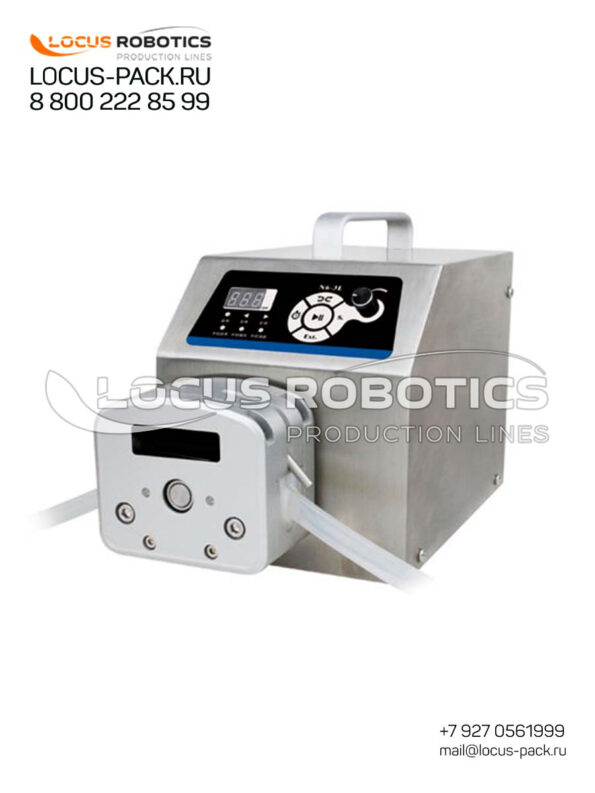
Pharmaceutical & Biotech (Sterile Parenteral & Ophthalmic): This is our core domain. We design complete aseptic filling isolator lines for vials, syringes, and cartridges. Our solutions directly address Annex 1 requirements for segregation, continuous monitoring, and decontamination efficacy. We integrate with peristaltic pump fillers, stoppering systems, and provide in-process weight verification inside the isolator. Validation support includes media fill simulations specifically designed for isolator technology.
Pharmaceutical & Biotech (High Potency & Cytotoxic): Safety is paramount. We engineer negative pressure containment isolators and downflow booths for dispensing, weighing, and compounding HPAPIs. Our focus is on achieving and verifying extremely low occupational exposure levels (OELs), often below 1 µg/m³. Systems include bag-in/bag-out (BIBO) HEPA filter housings for safe maintenance.
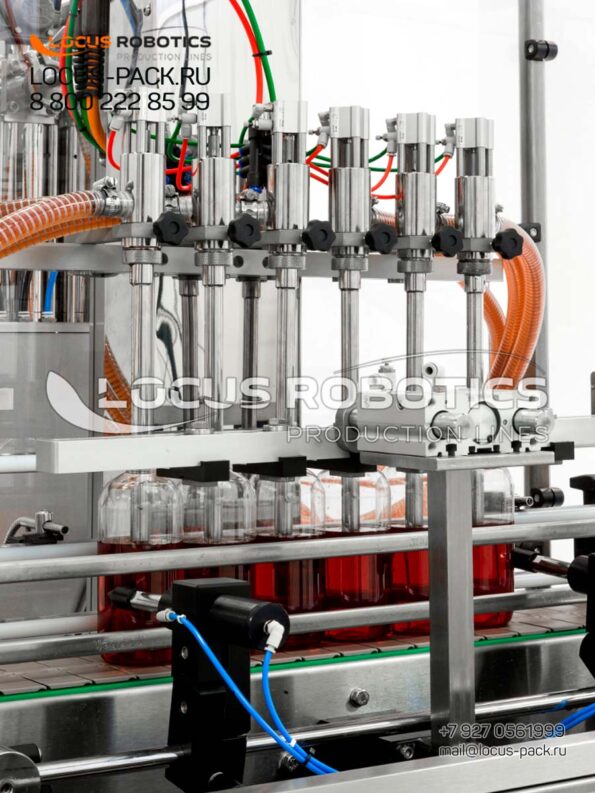
Cosmetics & Personal Care (Premium & Dermocosmetic): For injectable aesthetics, sterile skincare, and preservative-free formulas, we implement RABS or advanced laminar flow canopies over filling heads. This protects product microbiology without the full cost of an isolator. We also provide clean air solutions for bulk ingredient charging to prevent contamination at the source.
Food & Nutraceuticals (Probiotics, Infant Formula, Medical Foods): Preventing cross-contamination of allergens or microbial strains is critical. We install powder containment isolators for weighing and blending, and GMP-grade laminar flow systems for final portioning and packaging of sensitive live cultures or hydrolyzed proteins.
Research, Academia & CDMOs: We provide flexible, modular barrier systems that can adapt to changing research projects. From cell therapy processing workstations to containment enclosures for animal dosing, we offer scalable solutions that meet both biosafety level (BSL) requirements and research agility needs.

The ultimate value of a high-end barrier system is realized only through rigorous qualification and sustained performance.
Comprehensive Qualification & Validation (CQV) Services: We don’t just supply hardware; we deliver a validated state. Our structured approach includes Installation Qualification (IQ) to verify correct installation per specs, Operational Qualification (OQ) to test all functions (alarms, interlocks, VHP cycle uniformity, airflow velocities), and Performance Qualification (PQ) where the system proves its ability to maintain sterility or containment under simulated or actual production runs. We perform physical challenge tests with biological indicators (BIs) and airflow visualization studies (smoke tests) to map unidirectional flow.
21 CFR Part 11 & Data Integrity Ready Controls: Modern systems demand modern data handling. Our PLC and SCADA systems are designed with electronic signatures, audit trails, and role-based access control. All critical parameters—differential pressures, VHP concentration, temperature—are recorded in secure, time-stamped databases suitable for regulatory review.
Proactive Lifecycle Management: We offer performance-based service contracts that include regular preventive maintenance, HEPA/ULPA filter integrity testing (DOP/PAO challenge), glove and sleeve integrity checks, and calibration of all critical sensors. Our remote diagnostics capabilities can often predict and prevent issues before they impact production.
Transforming Contamination Control from a Cost Center into a Strategic Assurance Asset.
The journey from conventional cleanrooms to advanced barrier technology is a critical strategic crossroad. It demands a partner with deep technical expertise, proven integration capabilities, and a unwavering commitment to regulatory science. We serve as that partner, guiding you from initial risk assessment and conceptual design through to final validation and ongoing lifecycle support. Our goal is to deliver more than a system; we deliver certifiable confidence in every batch you produce.
Contact Our Team