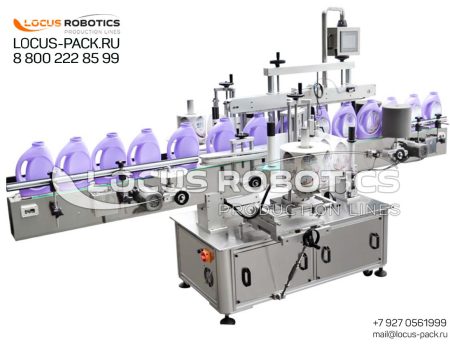
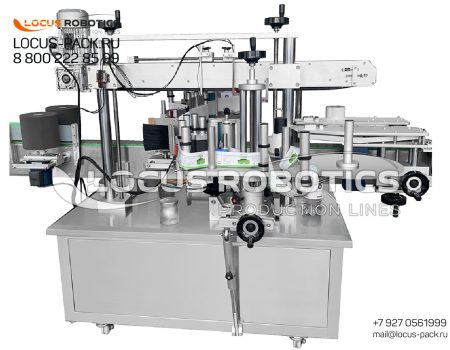
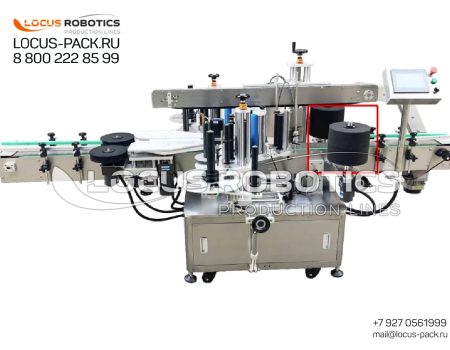
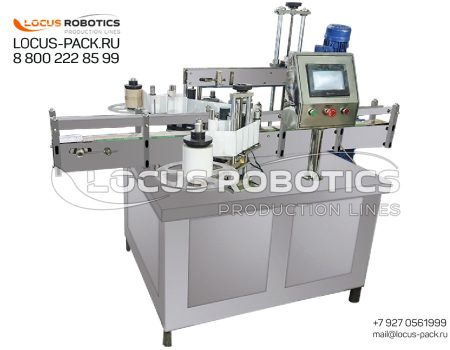
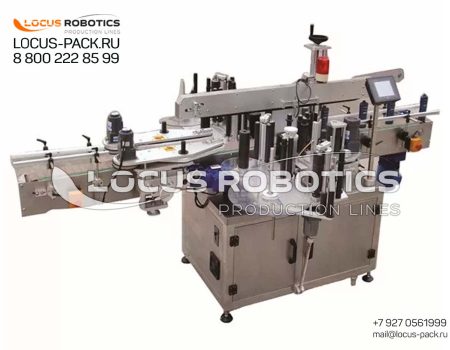
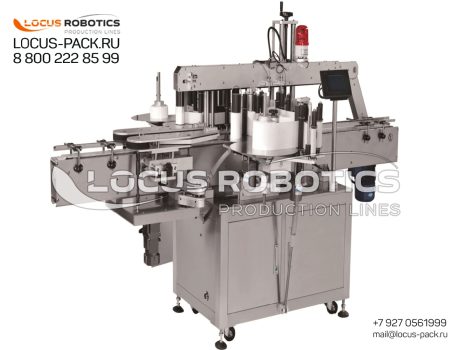
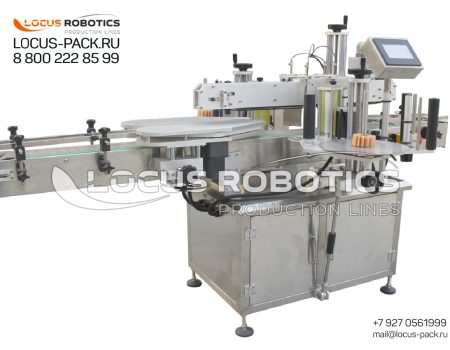
Engineering and Design Partnership for Optimal Packaging Line Integration
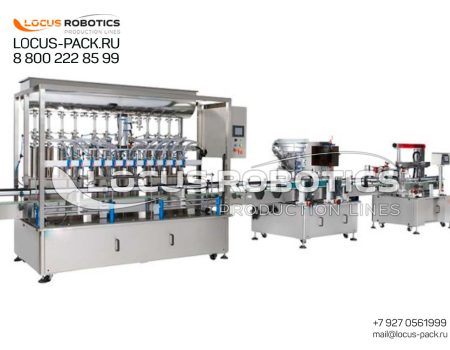
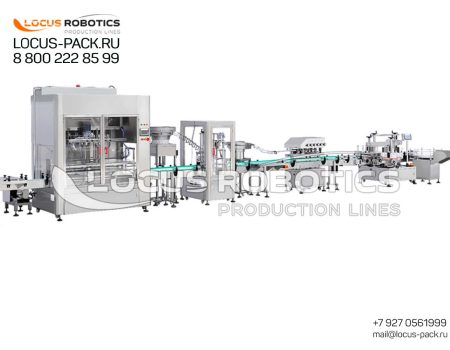
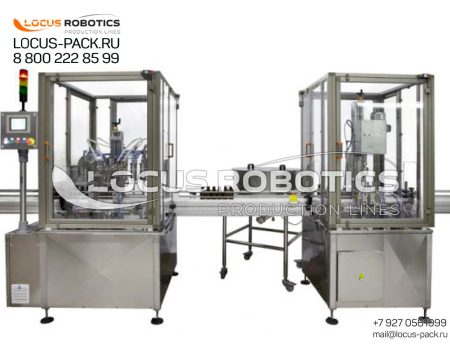
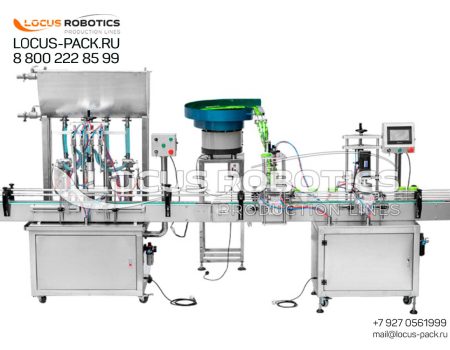
Welcome to the dedicated engineering portal of Locus Robotics. This section is designed for project managers, plant engineers, system integrators, and technical consultants who require precise, actionable data for the planning and integration of industrial packaging systems. We provide far more than equipment catalogs; we offer collaborative design intelligence. Our team of specialist engineers works directly with your project team to transform your production requirements, floor space constraints, and regulatory mandates into a fully realized, optimally configured packaging line. Whether you are retrofitting an existing facility or designing a greenfield plant for pharmaceuticals, cosmetics, food, or chemical products, our service ensures every machine—from a high-speed monoblock filler-capper to a complete robotic labeling line—is correctly specified, accurately positioned, and seamlessly integrated. We provide the critical technical backbone for your project, delivering detailed 2D/3D layout drawings, utility connection schematics, and comprehensive technical data packages that de-risk installation and accelerate your time to operational efficiency. Begin your project with confidence by exploring our core Packaging Equipment Catalog to understand the foundational technologies we bring to your design.
Collaborative Technical Design: From Concept to Commissioned Line
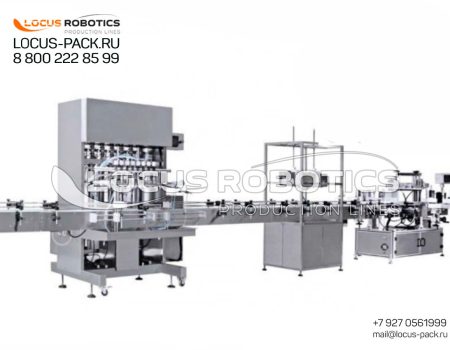
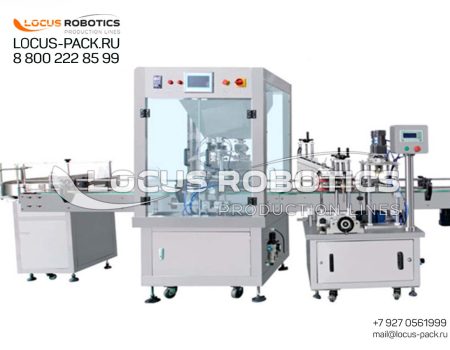
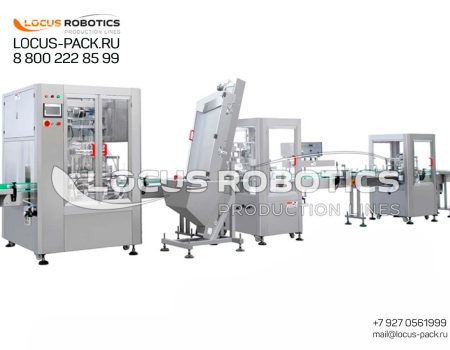
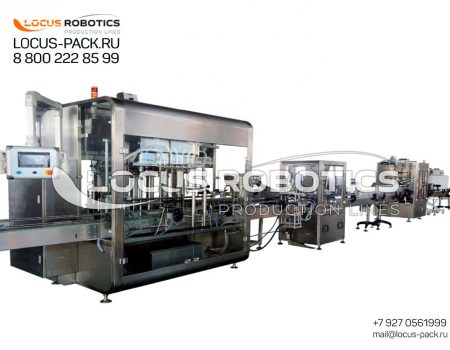
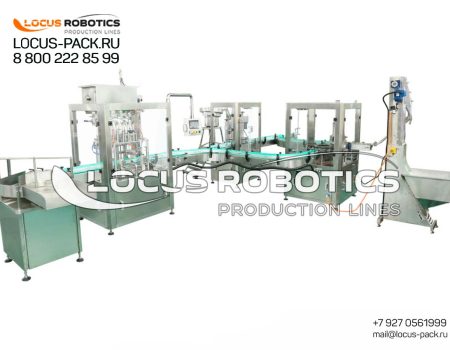
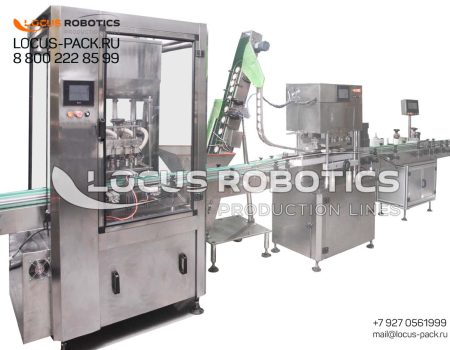
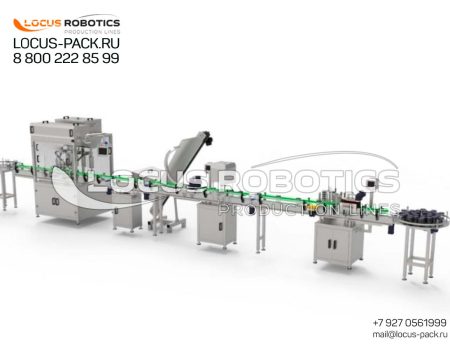
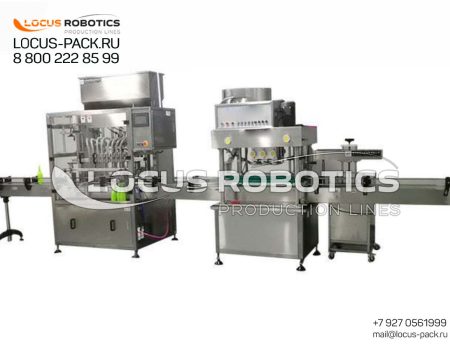
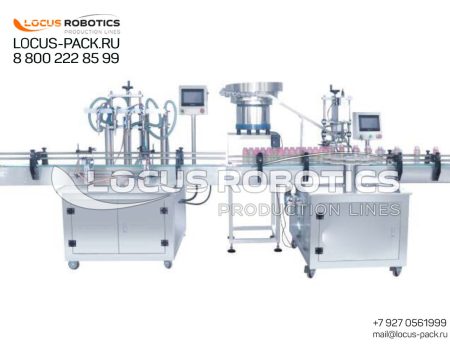
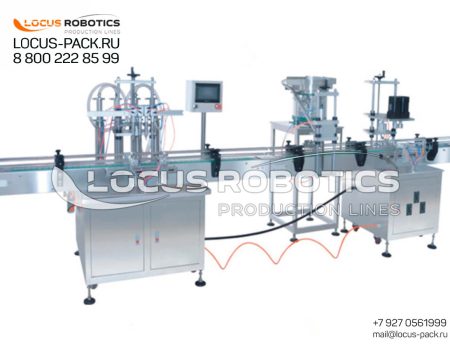
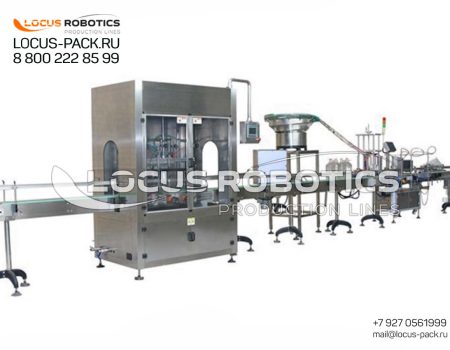
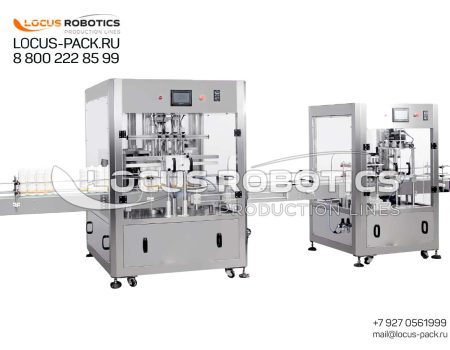
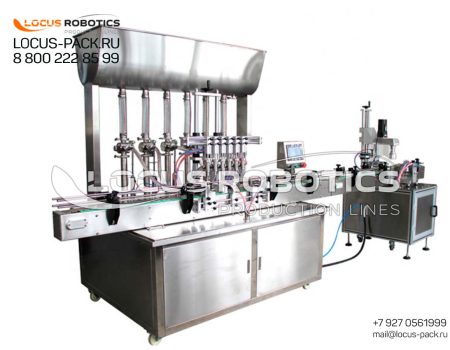
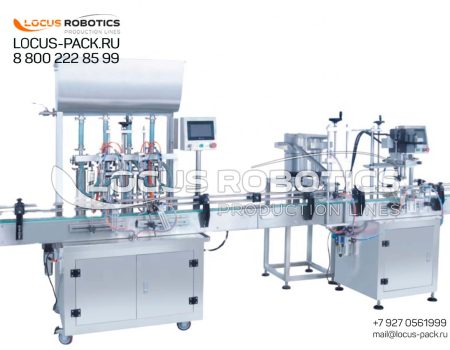
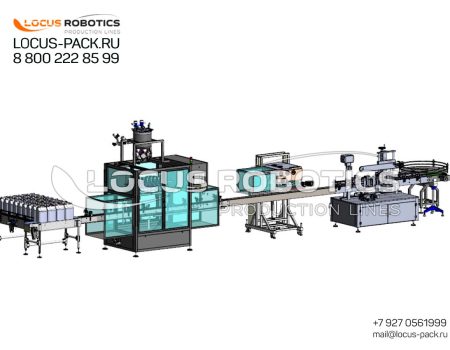
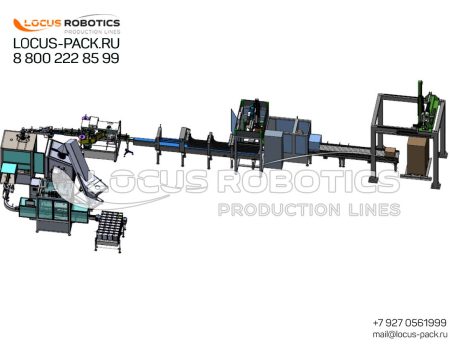
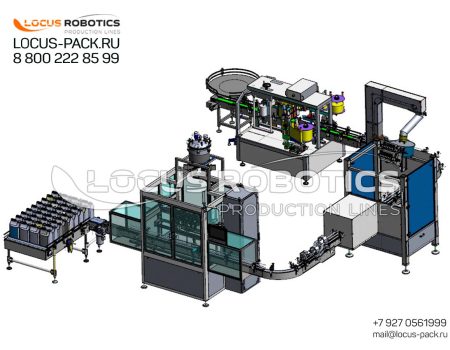
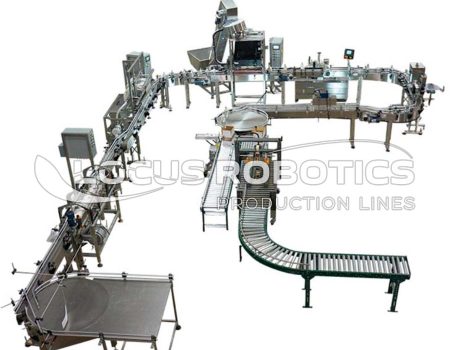
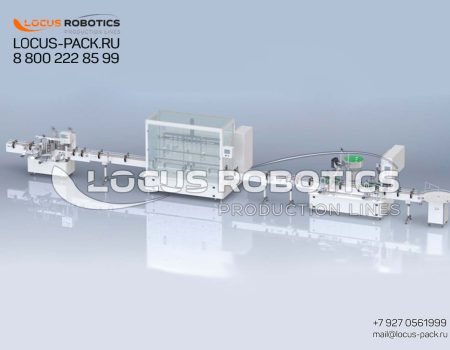
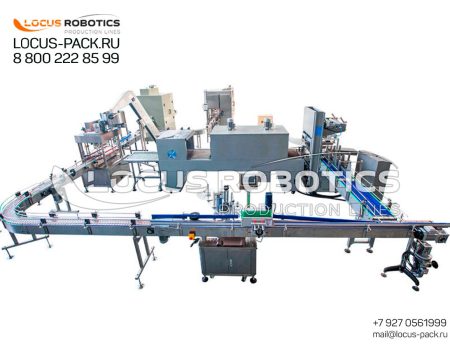
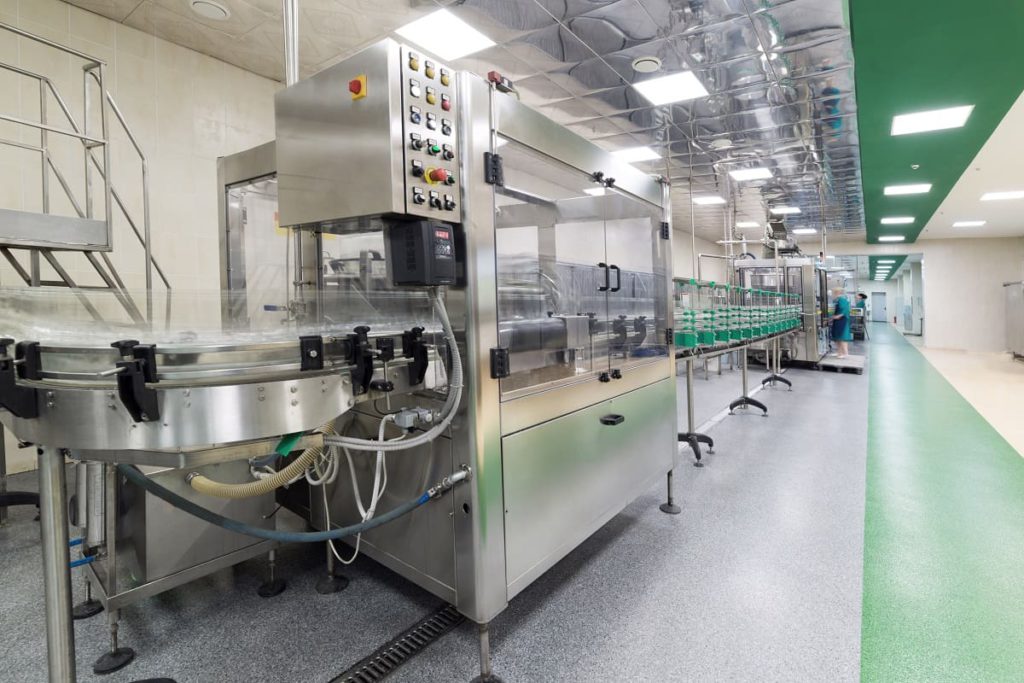
Our design process is a deep technical collaboration aimed at aligning machinery performance with your precise operational goals. It begins with a thorough analysis of your product characteristics (viscosity, aggressiveness, sterility requirements), target output (units per hour), container types (vials, bottles, tubes, pouches), and existing facility layout. Our engineers then leverage this data to model the entire material flow, selecting and positioning each piece of equipment—filling lines, capping stations, labelers, conveyors, and inspection systems—to create a balanced, bottleneck-free production line. We calculate critical technological distances, transfer heights, and accumulation buffer requirements to ensure smooth, jam-free operation at your desired speed. Furthermore, we identify and specify all necessary utility hook-up points for electrical power (voltage, phase, amperage), compressed air (pressure, flow rate, filter requirements), product supply lines, and control network connections. This upfront, meticulous planning is the most effective way to prevent costly change orders, installation delays, and performance shortfalls, ensuring the line you install is the line you designed for peak performance.
Comprehensive Design Documentation & Technical Data Packages
We translate the collaborative design phase into authoritative documentation that serves as the single source of truth for your project’s execution. The deliverables are tailored to the project phase:
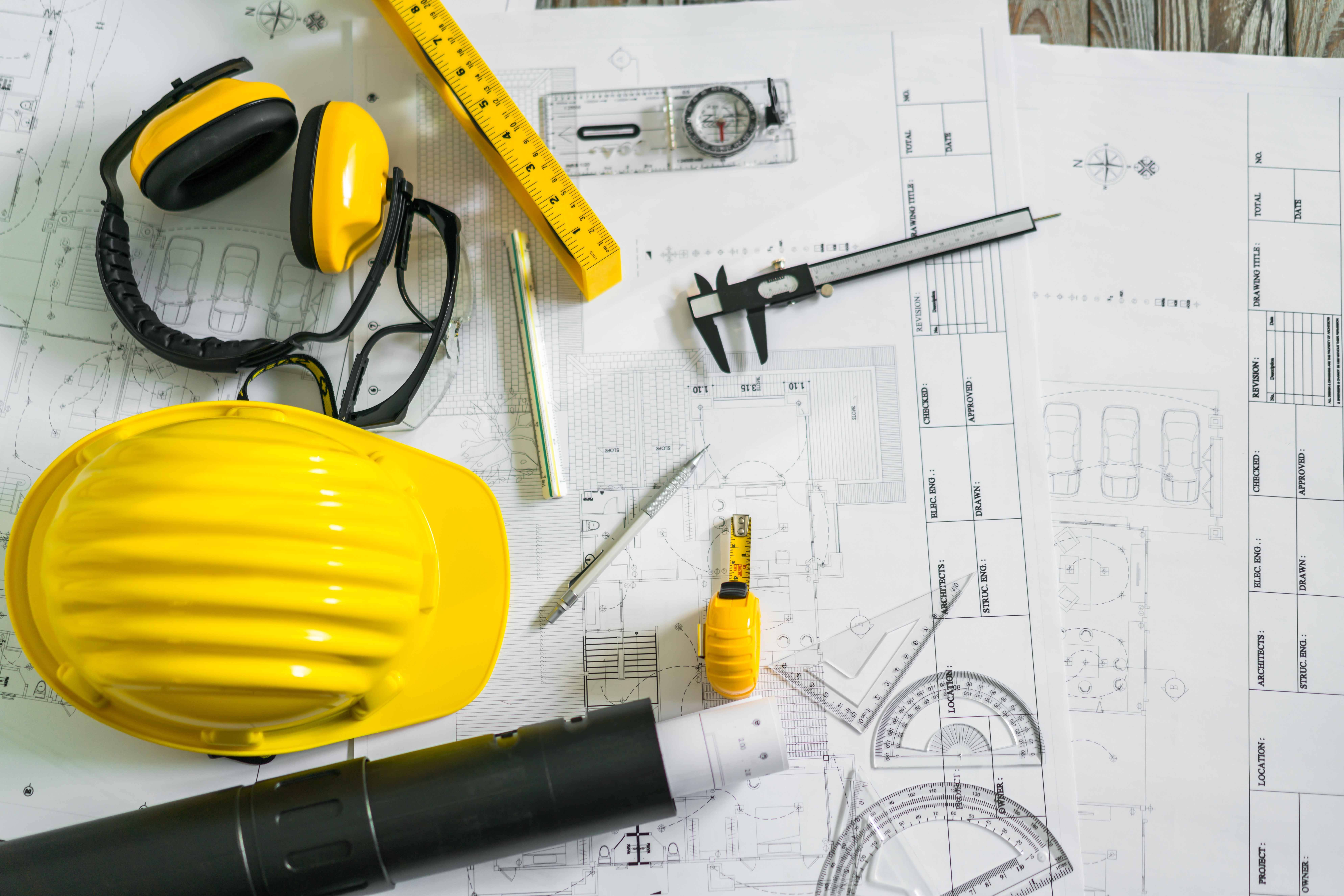
Preliminary Layouts & Feasibility Studies: Provided during the initial Technical-Commercial Proposal stage, these include scaled dimensional outline drawings of proposed equipment arrangements within your available floor space. They help visualize the line’s footprint and workflow.
Detailed Installation & Integration Schematics: For approved projects, we provide comprehensive construction-grade drawings. These detailed schematics go beyond footprints to specify the exact coordinates for utility connections (electrical conduits, air lines, drain points), load-bearing requirements for floor foundations, and clearances for maintenance access and operator safety. Every technological transition point between machines is meticulously detailed.
Technical Data Sheets (TDS) & I/O Lists: Each machine in the proposal is supported by a full TDS containing performance specifications, material lists (e.g., AISI 304/316L stainless steel contact parts), motor power details, and comprehensive Input/Output (I/O) lists for control system integration with your Plant SCADA or MES.
Custom & Modified Equipment Design to Meet Stringent Specifications
While we offer robust standard machines, our core engineering strength lies in customization and bespoke design to meet unique challenges. We actively design and manufacture non-standard, special-purpose equipment, including complex assembly lines for medical devices, diagnostic kits, or multi-component products. This process is rigorously guided by your User Requirement Specification (URS). We can incorporate specific mandates, such as:
Component Branding: Use of specified PLC hardware (Siemens, Allen-Bradley), pneumatic valves (Festo, SMC), or servo drives.
Material Specifications: Construction using designated grades of stainless steel, FDA-approved plastics, or specialized coatings for corrosion or chemical resistance.
Hygienic & Safety Designs: Full compliance with GMP (Good Manufacturing Practice) guidelines for cleanability and documentation, HACCP-based design principles for food safety, or explosion-proof (ATEX/EX) certifications for hazardous environments.
Seamless Collaboration with Engineering Firms and Project Teams
Locus Robotics operates as a trusted technical partner within larger project ecosystems. We have a proven track record of successful collaboration with independent engineering firms, architectural design houses, and client-side project management teams across the pharmaceutical, cosmetic, chemical, and diverse food production sectors. We understand the workflow of major capital projects and align our deliverables with your critical path. Our engineers are adept at providing the necessary technical inputs for FEED (Front-End Engineering Design) studies, responding to formal Requests for Information (RFI), and participating in integrated design review meetings. This collaborative model ensures that packaging automation is not a siloed afterthought but an optimally integrated component of your overall production facility design.
Detailed Technical Specifications and Compliance Standards
Design Standards: All layouts and machine designs adhere to relevant international machinery safety standards (CE marking) and industry-specific best practices.
Compliance-First Engineering: Equipment can be designed from the ground up to meet GMP requirements (with supporting IQ/OQ/PQ documentation suites), HACCP principles, and USDA guidelines.
Environmental Specifications: We design for specific operational climates, offering standard, frost-protected (УХЛ), or tropicalized executions, and specify IP (Ingress Protection) ratings for control panels and motors to suit washdown or dusty environments.
Control Integration: Designs include interfaces for seamless integration into wider factory networks via EtherNet/IP, Profinet, or OPC UA protocols.
Initiating a Project: How to Request a Technical Proposal
To begin the collaborative design process and receive a targeted technical-commercial proposal, please provide our engineering team with your core project parameters. Essential information includes:
Project scope and desired output capacity.
Detailed product and container specifications (samples welcomed).
Available factory floor plans (CAD files preferred).
Any specific regulatory, compliance, or material requirements (URS).
Preferred utility specifications and control system architecture.
To submit your request and access our expert engineering support, please email our technical team directly at mail@locus-pack.ru or complete the contact form below. A dedicated project engineer will be assigned to your inquiry to initiate the technical dialogue.