Where Disparate Machines Become a Cohesive, Intelligent Production Asset: Masterful System Integration for Unrivaled Packaging Line Performance.
Purchasing best-in-class individual machines—fillers, cappers, labelers, robots—is only the first step. The true transformation of your packaging operation, where dramatic gains in Overall Equipment Effectiveness (OEE), flexibility, and data transparency are realized, occurs in the complex space between those machines. This is the domain of Holistic System Integration and Automation. We specialize in the complete technical orchestration of your packaging line, transforming a collection of standalone assets into a synchronized, intelligent, and resilient production system. Our full-scope engineering encompasses mechanical interfacing, unified control architecture, industrial robotics programming, and deep integration with Manufacturing Execution Systems (MES) and supervisory controls (SCADA). We deliver not just connected equipment, but a fully validated, data-rich, and future-ready packaging line that operates as a single, highly efficient entity, providing you with a decisive competitive advantage in regulated and fast-moving markets.
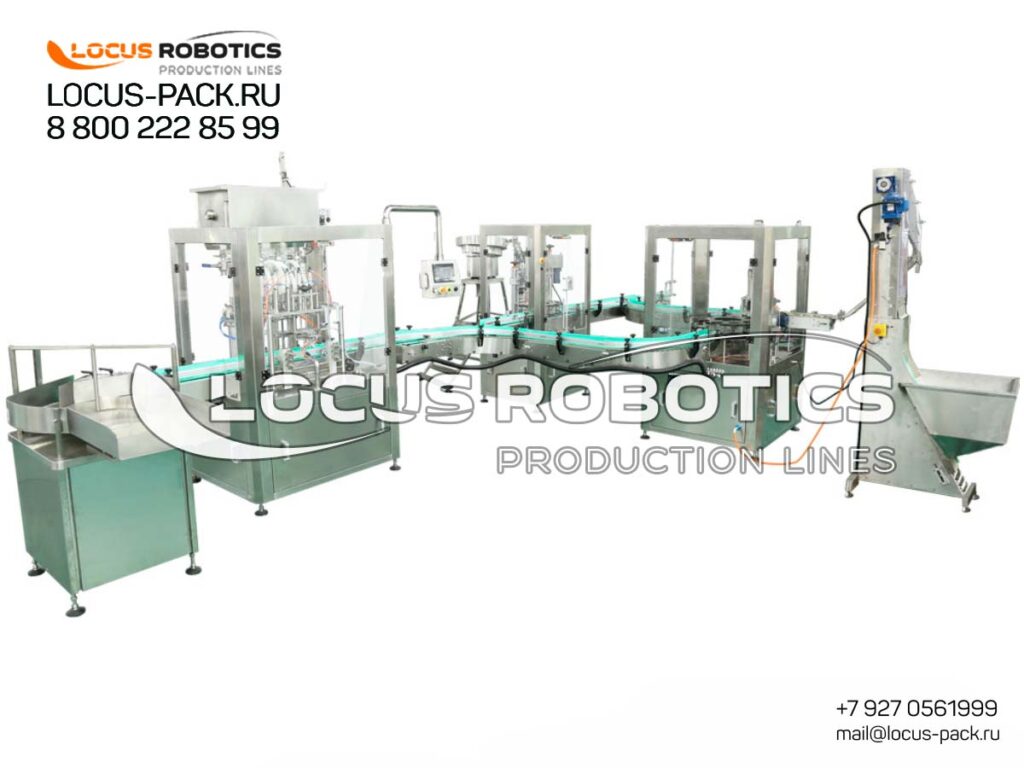
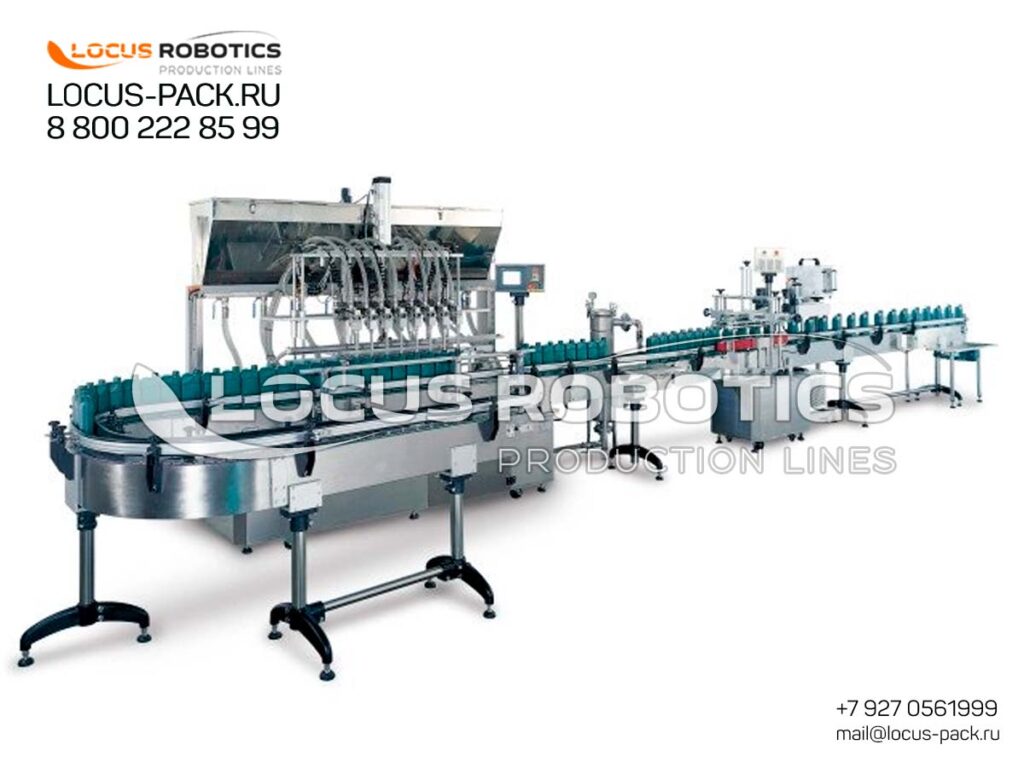
In the modern manufacturing landscape, efficiency is no longer solely about the speed of a single machine; it is about the seamless flow of materials, data, and instructions across the entire production sequence. A line composed of high-performance but isolated machines suffers from critical vulnerabilities: mechanical hand-off points become bottlenecks prone to jams, machine data remains siloed preventing holistic optimization, changeovers require extensive manual coordination between operators, and the entire system’s performance is limited by its weakest communication link. This fragmentation leads to hidden factory losses—micro-stoppages, minor misalignments, and data opacity—that cumulatively devastate OEE.
Professional system integration is the strategic antidote to this fragmentation. It is a deliberate engineering discipline that delivers quantifiable, multi-faceted ROI: Maximized Line Efficiency through perfect synchronization, eliminating transfer delays and bottlenecks. Enhanced Flexibility & Agility via recipe-driven control that allows rapid changeovers between SKUs with minimal manual intervention. Unprecedented Operational Intelligence by aggregating machine data into a unified dashboard, providing real-time visibility into downtime causes, production rates, and quality metrics. Reduced Operational Risk through integrated safety systems, error-proofing, and automated fault detection that minimizes scrap and prevents major stoppages. Future-Proof Scalability by implementing open, standards-based architectures (like OPC UA and PackML) that allow for the seamless addition of new modules, such as vision inspection systems or additional robotic palletizers, without costly re-engineering.
We execute integration projects through a meticulous, phase-gated methodology that ensures technical excellence, budget adherence, and predictable timelines. This structured approach de-risks the project and aligns all stakeholders from conception to handover.
Phase 1: Comprehensive Discovery, Simulation, and Digital Twin Development
Every world-class integration begins with deep understanding and virtual validation. We conduct detailed onsite audits of your facility, utilities, and workflow. Using advanced 3D CAD and simulation software, we create a digital twin of your proposed line. This virtual model allows us to simulate material flow, optimize layout for maintenance access, validate robot reach and cycle times, and identify potential collisions or bottlenecks before any metal is cut. This phase culminates in a definitive Functional Design Specification (FDS) that serves as the binding blueprint for the entire project.
Phase 2: Control System Architecture & Electrical Engineering Design
This phase defines the central nervous system of your integrated line. Our automation engineers design a unified control architecture, typically centered on a primary Programmable Logic Controller (PLC) or a PC-based control system. We develop the complete electrical schematics, specify motor drives, safety relays (to SIL/PLe standards), and sensor networks. A key decision is the implementation of a standardized state model, such as ISA-88 PackML, which normalizes communication and operational states (e.g., Idle, Execute, Held) across all machines from different OEMs, providing a universal language for operators and higher-level systems.
Phase 3: Mechanical Integration, Synchronization, and Robotic Cell Engineering
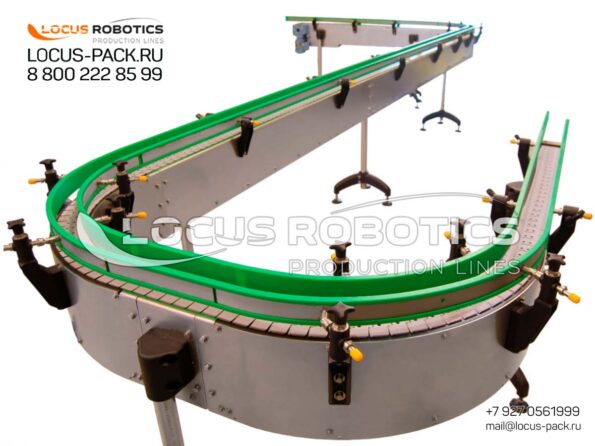
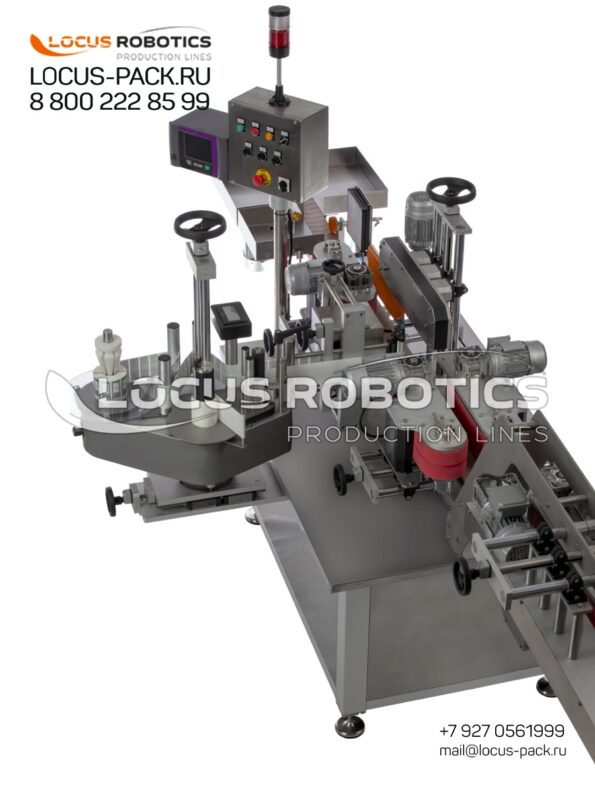
Here, the digital design becomes physical reality. Our team manages the precise mechanical interfacing: designing and fabricating custom conveyors, transfer mechanisms, starwheels, and guide rails to ensure smooth, precise container handling between machines like your filler/capper monobloc and a downstream labeling system. For robotic integration, we engineer complete work cells—including safety fencing, tooling (EOAT), and programming—for tasks such as precision picking and placing, case packing, or palletizing. We program the robots for path optimization, collision avoidance, and seamless handshake signals with the line PLC.
Phase 4: Software, HMI, SCADA, and Enterprise System Integration
This layer adds intelligence and connectivity. We program the line’s Human-Machine Interface (HMI) to provide operators with an intuitive, graphical overview of the entire line, with drill-down diagnostics for each station. We develop SCADA (Supervisory Control and Data Acquisition) systems to collect, log, and visualize historical data for performance analysis. Crucially, we engineer the integration layer with your business systems, creating secure data bridges (using OPC UA, MQTT, or REST APIs) to your MES or ERP for bidirectional exchange of production orders, batch records, and material consumption data, closing the loop between planning and execution.
Phase 5: Onsite Installation, Commissioning, and Performance Validation
Our engineers supervise the installation, perform rigorous Factory Acceptance Testing (FAT) and Site Acceptance Testing (SAT). We conduct dry-cycle runs and wet runs with your actual products to fine-tune all parameters. The final stage is Line Performance Qualification (LPQ), where we demonstrate and document that the integrated line meets all agreed-upon Key Performance Indicators (KPIs) for speed, yield, and availability. We provide comprehensive training for your maintenance and operations teams, ensuring full ownership transfer.
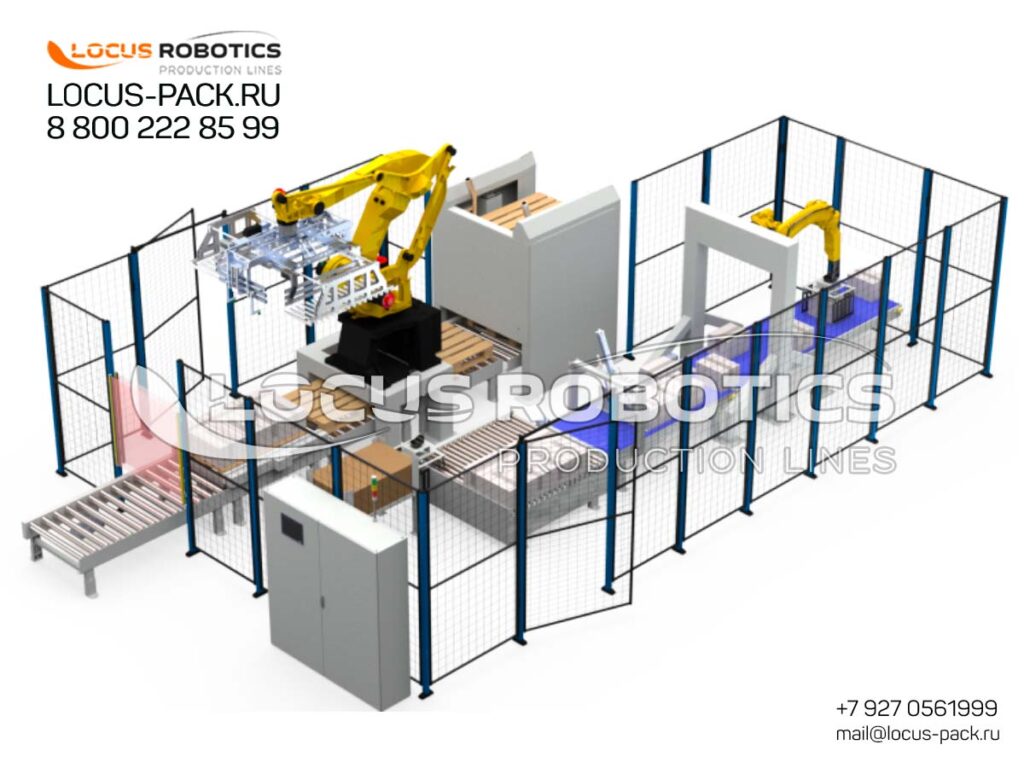
Advanced Robotic Integration & Cobot Deployment: We go beyond simple material handling. We integrate vision-guided robots for random bin picking of incoming containers or precise label verification. We deploy collaborative robots (cobots) for tasks like loading caps into hoppers or applying promotional stickers in close proximity to human workers, enhancing flexibility. Our expertise includes programming complex force-sensing applications for delicate products and integrating robots directly into the line’s safety and control ecosystem.
Industry 4.0 & Industrial IoT (IIoT) Enablement: Our integration creates the foundational data infrastructure for smart manufacturing. We implement edge computing devices to pre-process machine data, and cloud connectivity for remote monitoring and analytics. This enables predictive maintenance models, where data trends from motors and drives can forecast failures before they cause downtime. The integrated data layer provides the «single source of truth» for real-time OEE calculation, empowering continuous improvement initiatives.
Pharmaceutical & Biotechnology: Integration under GMP constraints. Focus on data integrity (ALCOA+, 21 CFR Part 11) for all batch records, integration with Environmental Monitoring Systems (EMS), and ensuring all changes are managed through formal change control. Validation (IQ/OQ/PQ) is paramount.
Cosmetics & Personal Care: High emphasis on rapid changeover (SMED) integration to handle numerous SKUs, colors, and formats. Integration of clean-in-place (CIP) systems and precise color-batching controls for mixing lines.
Food & Beverage: Integration for hygienic design, with easy-clean conveyors and controls. Critical integration of checkweighers and metal detectors with automatic reject systems. Linking batch information from processing to packaging for full lot traceability.
Chemicals & Home Care: Focus on safety interlocks for hazardous areas, integration of corrosive-resistant material handling, and precise dosing system control linked to the main line PLC.