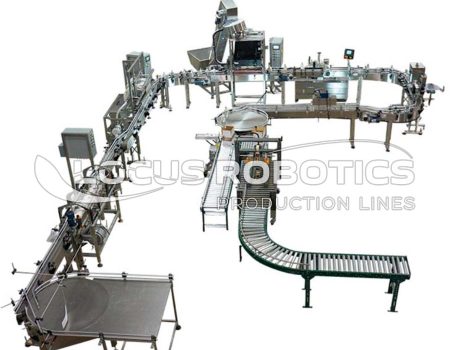
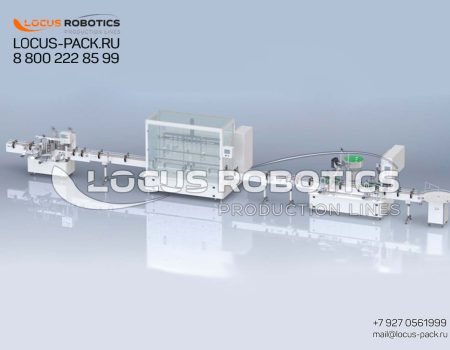
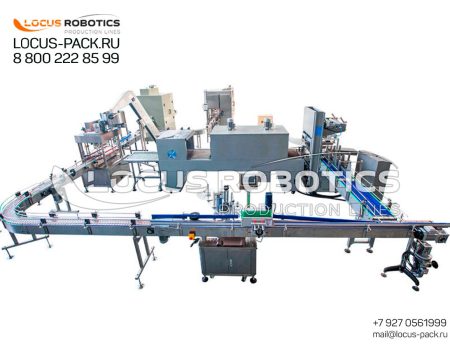
The Complete Ecosystem: Precision Engineered Liquid Filling Lines

Launching a new food or beverage production facility—or modernizing an existing one—is a capital-intensive endeavor fraught with technical complexity and operational risk. Navigating equipment selection, hygienic design, regulatory compliance, and system integration requires a partner with proven engineering acumen and hands-on project execution experience. Locus Robotics is that partner. We specialize in delivering fully integrated, turnkey packaging and process lines tailored to your specific product, output targets, and regional market standards. From initial concept and feasibility studies to final commissioning and operator training, we provide the singular accountability and technical depth needed to transform your production vision into a efficient, reliable, and profitable reality. Our expertise spans carbonated beverages, bottled water, edible oils, viscous food products, and alcoholic spirits, ensuring your line is built on a foundation of relevant, proven success.

Linear vs. Rotary Systems – Choosing Your Line’s DNA

The Foundational Design Decision for Throughput and Flexibility:
The first and most critical strategic choice in line design is selecting the core architecture, which dictates maximum speed, floor plan, future scalability, and compatibility with different technologies.

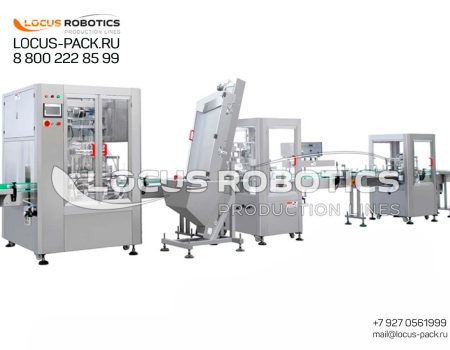
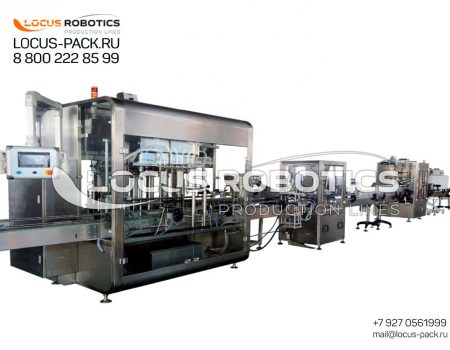
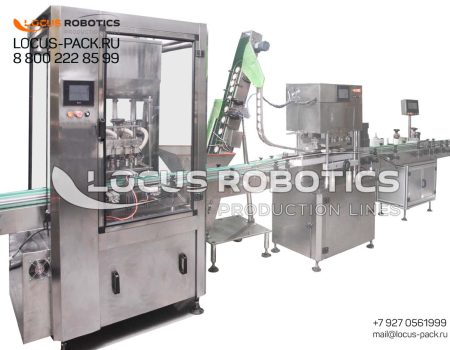
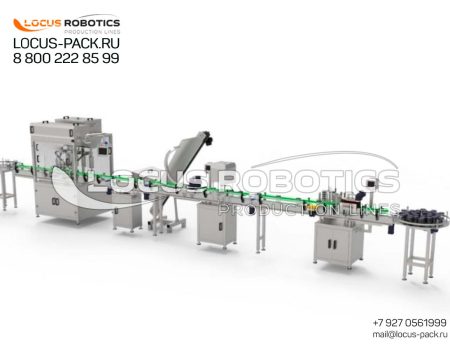
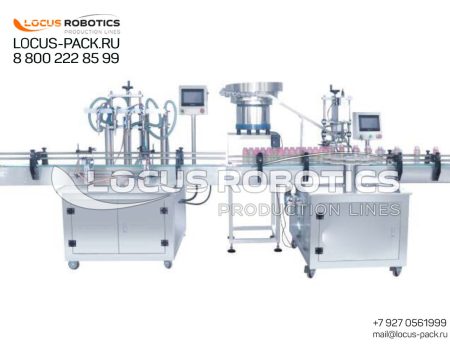
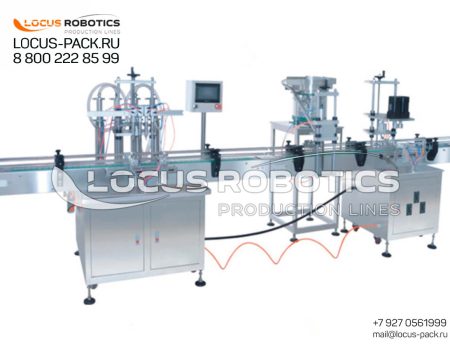
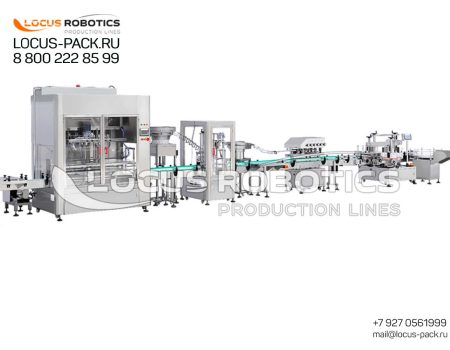
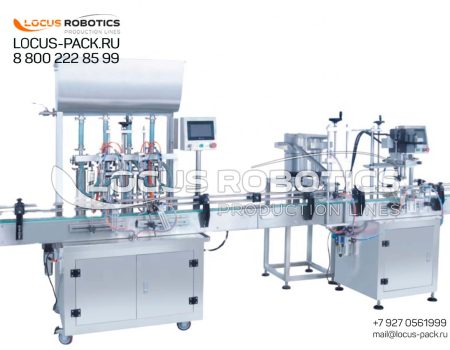
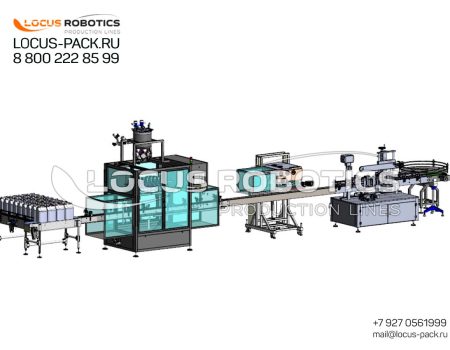
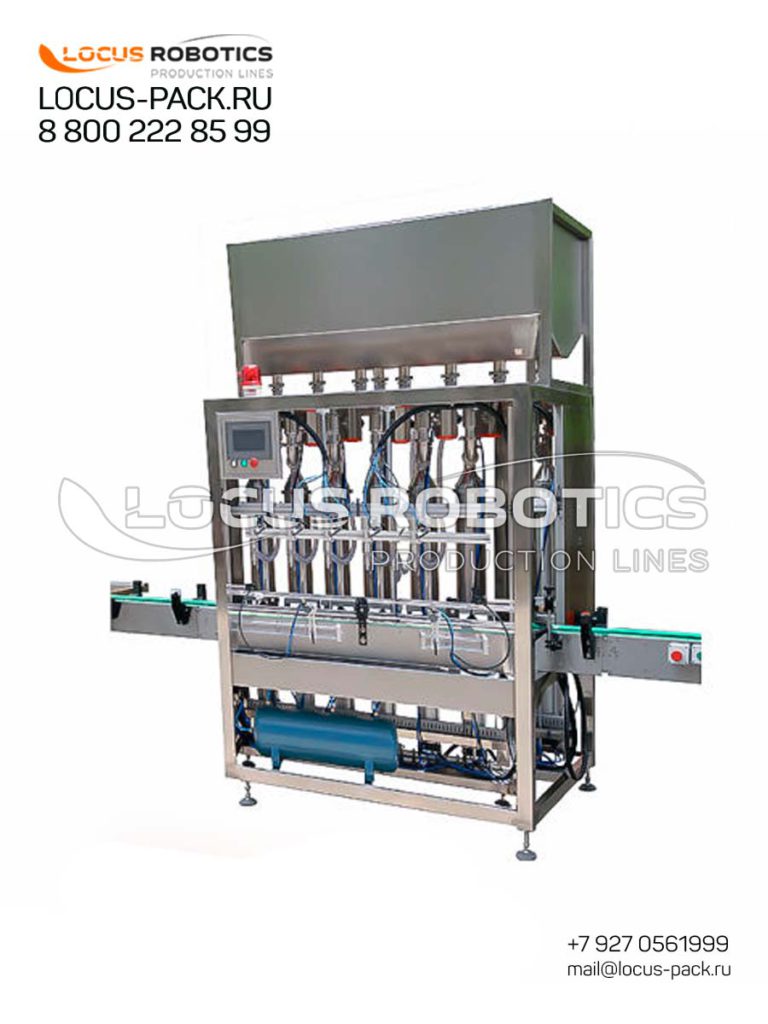
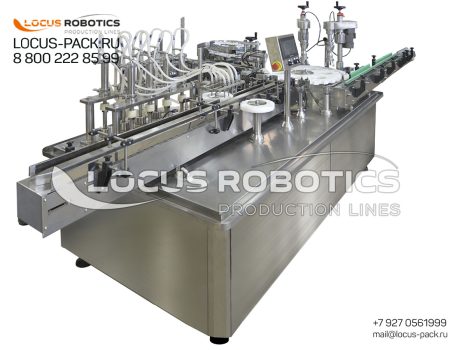
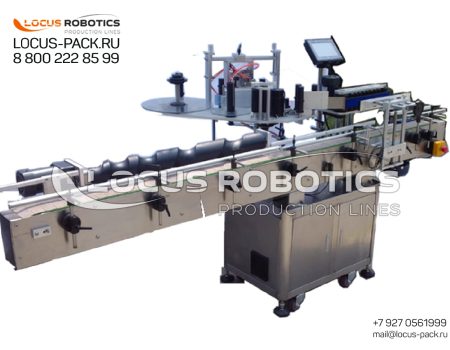
  • Linear (In-Line) Filling Lines: The Paradigm of Modular Flexibility. In this configuration, containers travel in a straight line on a conveyor, pausing at sequential, independent workstations. This architecture is the ultimate choice for customization, ease of maintenance, and future expansion. You can start with a core filler-capper combination and later add modules like an upstream air cleaner, a downstream vision inspection system, or a robotic case packer with minimal disruption. Linear lines excel in environments with frequent product changeovers, a wide variety of container shapes and sizes, and medium-to-high output requirements (up to 10,000 bottles per hour). They are the preferred solution for cosmetics, pharmaceuticals, chemicals, and food products where flexibility and access are as important as raw speed.

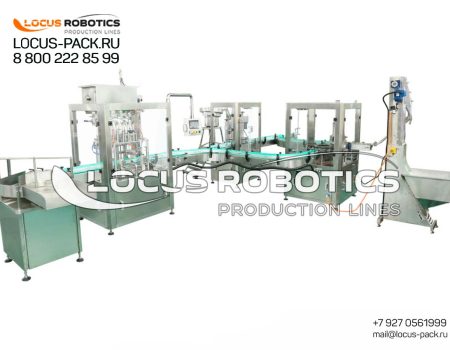
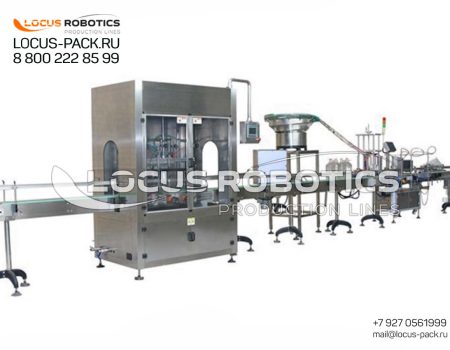
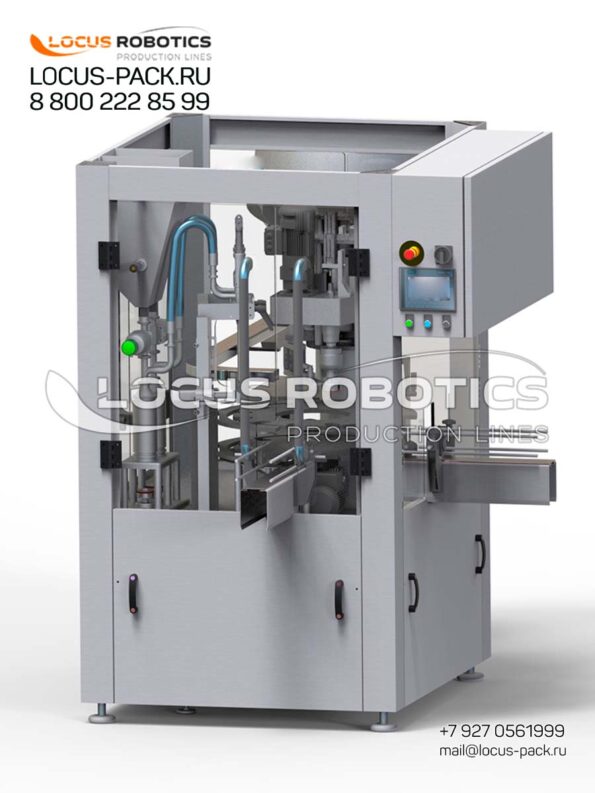
  • Rotary (Carousel) Filling Lines: The Engine of Ultra-High-Speed Production. Here, containers are transferred between synchronized rotary wheels (carousels) where filling, capping, and sometimes sealing occur in a continuous motion. This architecture is engineered for maximizing throughput in a minimal footprint, achieving outputs that can exceed 30,000 containers per hour. Rotary systems are ideal for high-volume, single-SKU or low-SKU-count production of uniform containers, such as bottled water, carbonated soft drinks, edible oils, and mass-market beer. Their design prioritizes relentless speed and mechanical simplicity for dedicated, high-capacity operations.

This decision is not about one being superior to the other, but about precisely matching the line’s core mechanics to your long-term production strategy and product portfolio.

The Integrated Monoblock – Compact, Synchronized Excellence

The Perfect Fusion of Function for Space-Constrained & Agile Production:
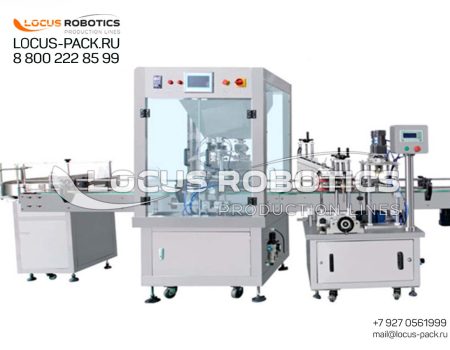
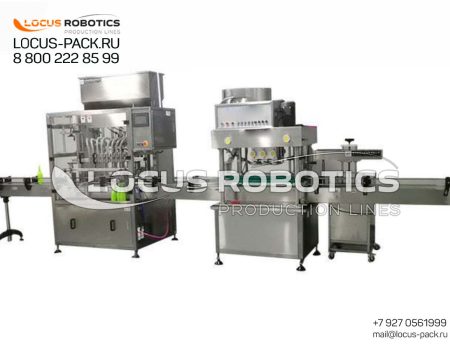
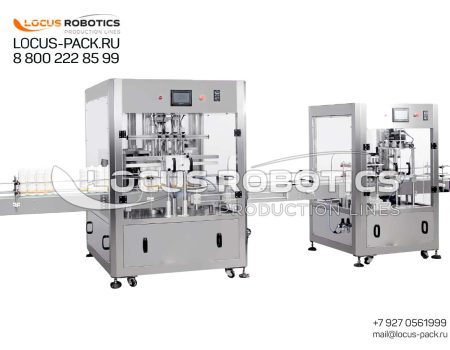
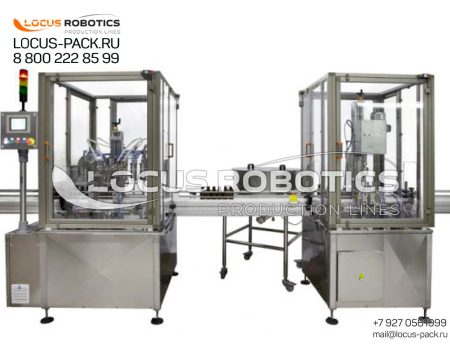
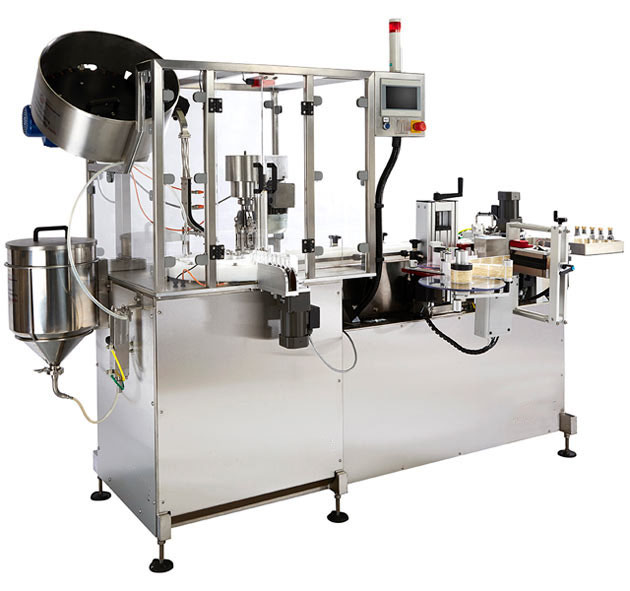
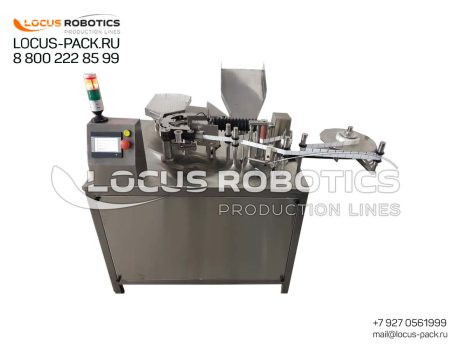
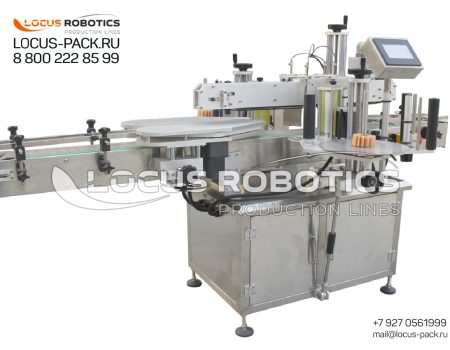
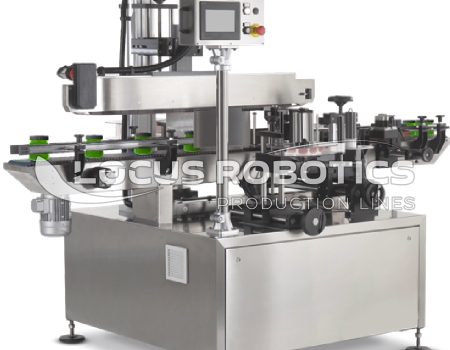
Occupying the optimal middle ground between a single machine and a full line, the monoblock is a pre-integrated system combining at least filling and capping (often with rinsing or labeling) into one synchronized unit. It is the definitive solution for manufacturers seeking a significant leap in automation without the footprint or complexity of a full linear line.

  • Inherent Advantages: Monoblocks guarantee perfect mechanical and electronic synchronization between the filling and capping functions, eliminating timing issues that plague separately linked machines. They offer a drastically reduced footprint, a single point of control and maintenance, and typically faster installation and commissioning. Their integrated nature makes them exceptionally reliable and easier to operate.

  • Ideal Use Cases: Monoblocks are the workhorse for medium-volume production (1,000 – 8,000 bottles per hour) across all industries. They are perfect for craft beverage producers, cosmetic brands, pharmaceutical liquid oral dosage facilities, and chemical companies looking to automate a dedicated packaging process with high accuracy and minimal floor space. The ability to easily integrate into existing conveyor systems makes them a powerful upgrade path.

For many growing businesses, the monoblock represents the smartest, most efficient capital investment, delivering 80% of the benefits of a full line with 50% of the complexity.

A Symphony of Specialized Technology

Orchestrating the Journey from Bulk Container to Shipping Pallet:
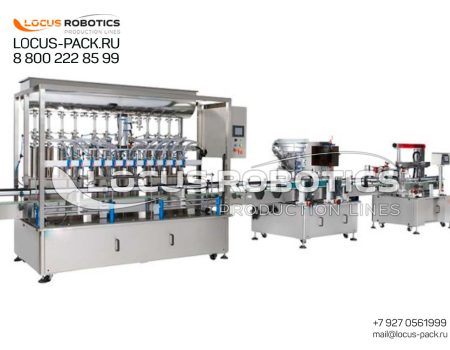
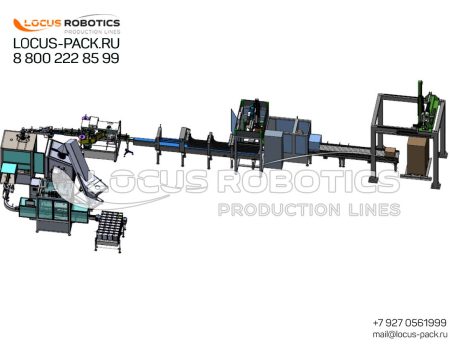
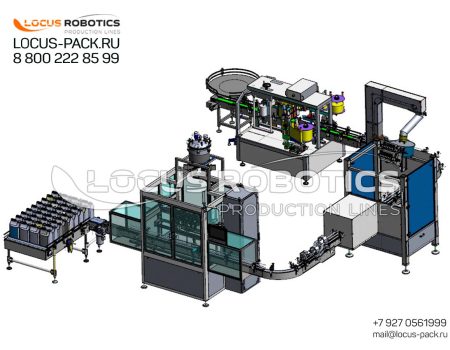
A world-class filling line is defined by the performance of its individual components and their seamless interaction. We engineer and integrate best-in-class modules for each critical stage.

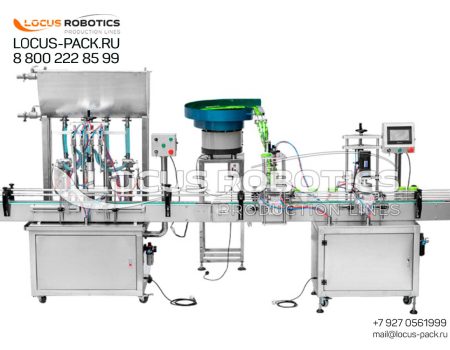
  • Upstream Handling & Cleaning (Preparation): The line begins with automatic unscramblers that orient and feed empty containers, and air rinsers or ultrasonic washers that ensure they are free of particulate contamination—a critical step for pharmaceutical and food-grade applications.

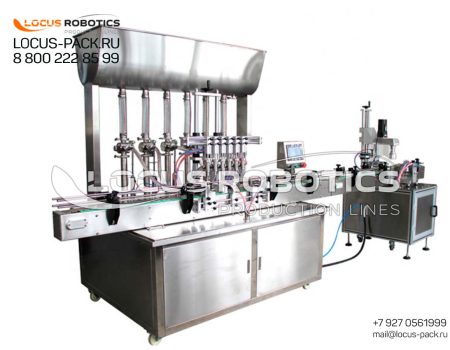
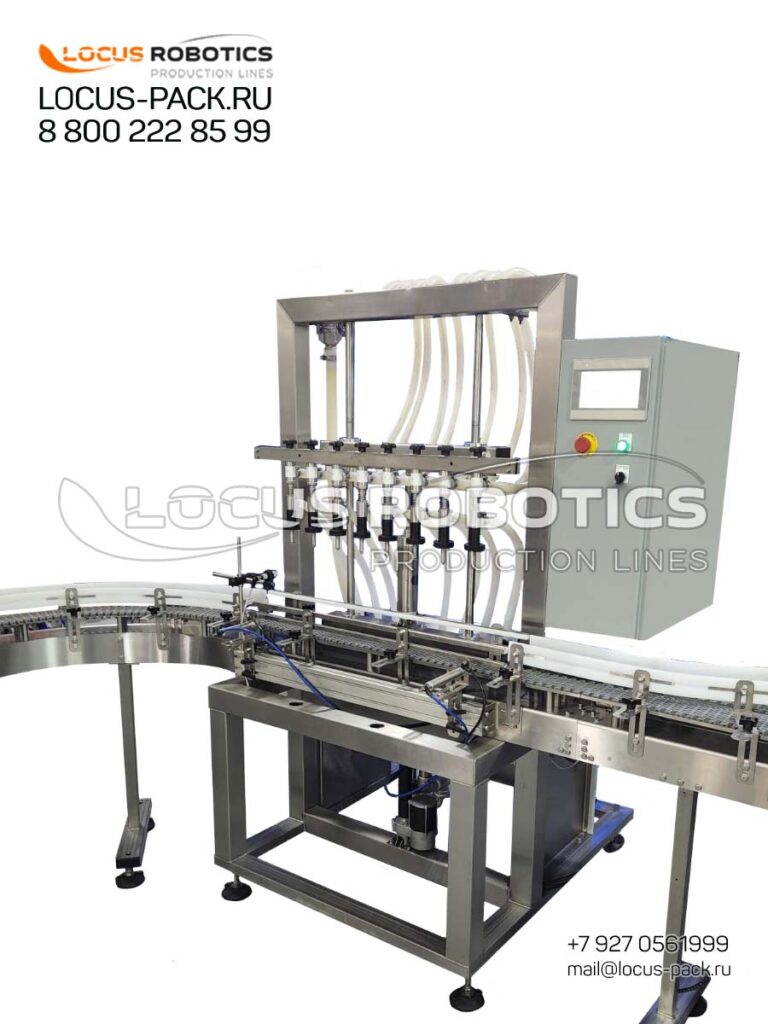
  • The Heart: Precision Filling Technology: This is where our core expertise lies. We select from servo-piston fillers (for accuracy), peristaltic pumps (for sterility), gravity fillers (for speed), and auger dosers (for powders) based on your product. Accuracy of ±0.5% or better is standard.

  • Sealing & Closure Application (Integrity): Immediately following the fill, capping heads apply closures with precise torque. We provide magnetic torque spindles for plastic caps, roll-on (ROPP) for aluminum seals, and press-on heads for droppers and sprays, all fed by automatic cap sorters and elevators.

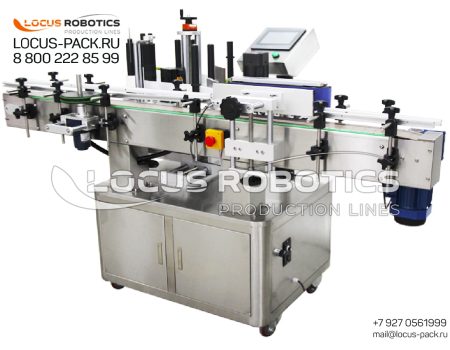
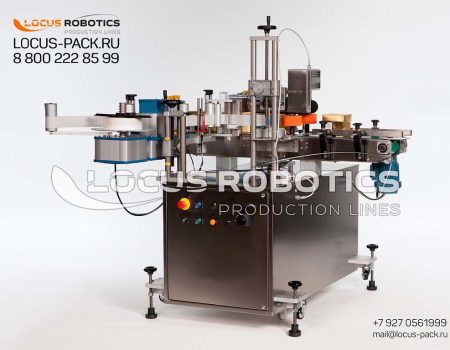
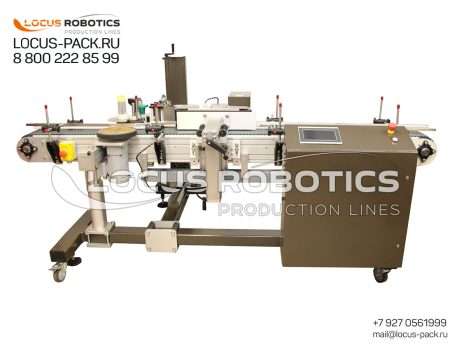
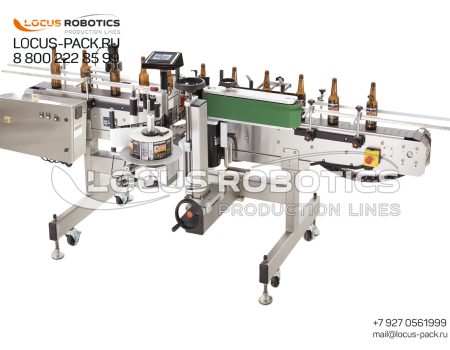
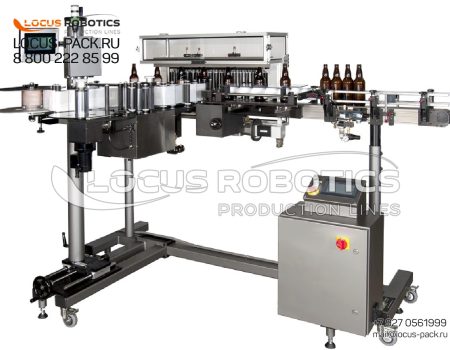
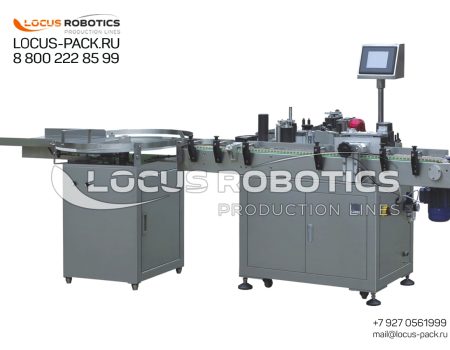
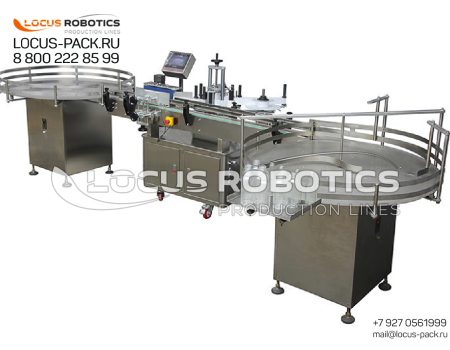
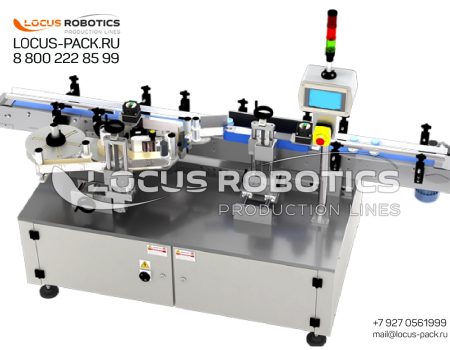
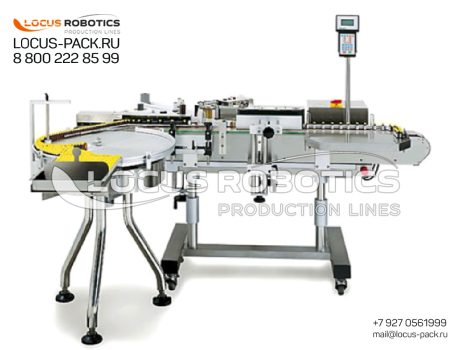
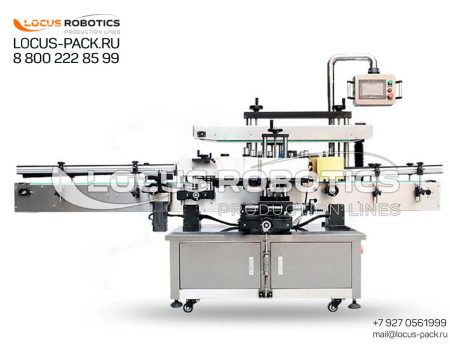
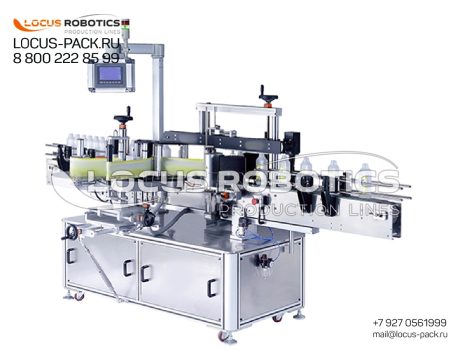
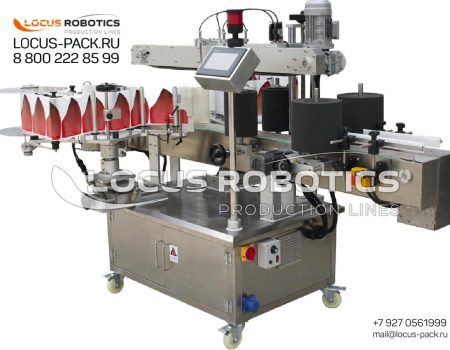
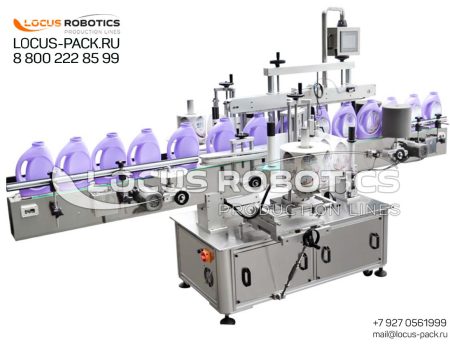
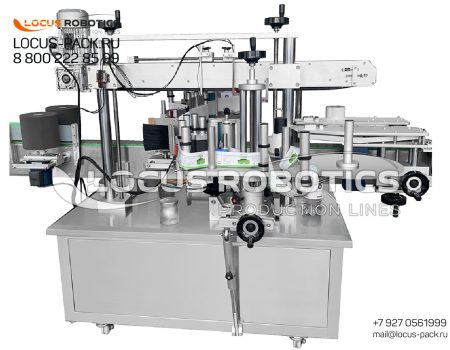
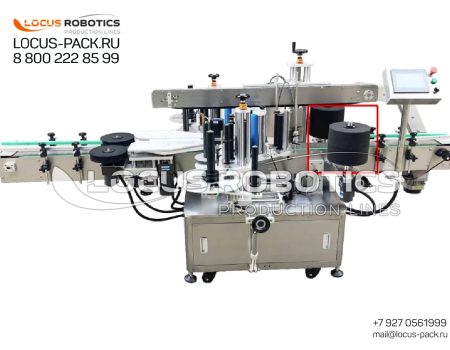
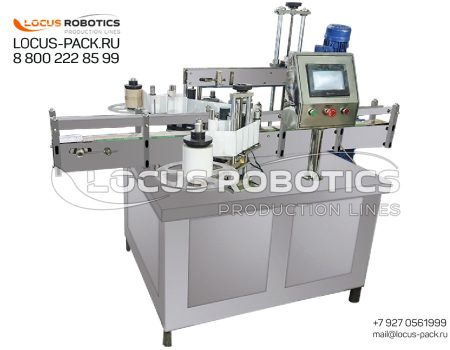
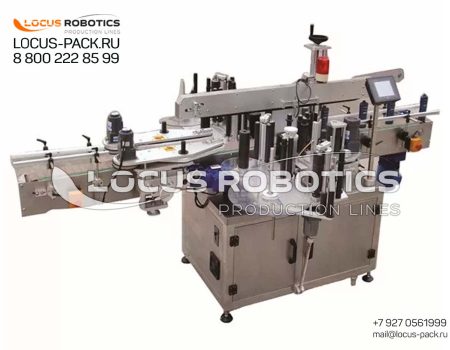
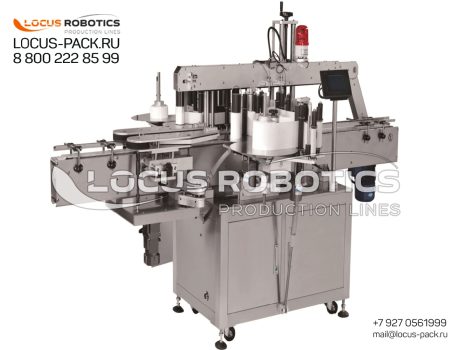
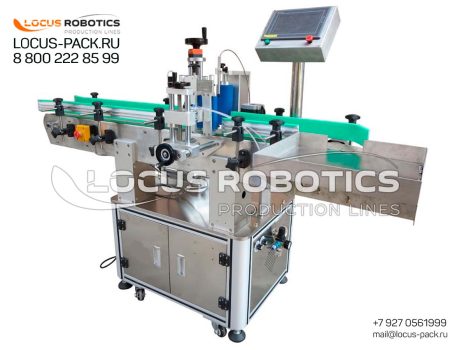
  • Identification & Quality Assurance (Compliance): High-speed labelers apply product identity, while inkjet or laser coders print mandatory batch/expiry data. A 100% inspection system using machine vision and checkweighers verifies fill level, cap presence, label accuracy, and weight, rejecting any non-conforming units.

  • Downstream Packaging & Palletizing (Distribution): The line culminates with automatic case packers (cartoning or tray-forming) and robotic palletizers that stack finished cases onto pallets according to optimized, stable patterns, ready for stretch-wrapping and shipment.

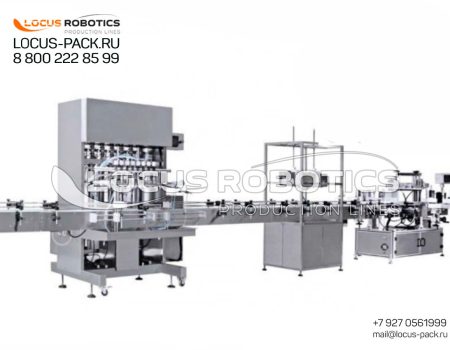
The true art of line integration lies in making this complex orchestra of technologies operate as a single, reliable, and efficient instrument.
Industry-Specific Line Engineering

Not Just a Line, Your Validated Production Asset
We do not believe in generic solutions. Every Locus Robotics line is configured with the specific hygiene, safety, and regulatory protocols of your industry as a foundational design parameter.

  • Pharmaceutical & Biotech: Lines are built for validation (IQ/OQ/PQ), featuring CIP/SIP systems, aseptic barriers, ISO 5 clean zone integration, and materials compliant with FDA 21 CFR Part 11 for data integrity. They are engineered for filling vials, syringes, and bottles with injectables and oral liquids.

  • Food & Beverage: Our designs prioritize HACCP compliance, easy-clean sanitary construction with food-grade lubricants, and high-speed operation for juices, dairy, sauces, and water. Options include nitrogen inerting for shelf-life extension and hot-fill technology for preserves.

  • Cosmetics & Personal Care: We focus on flexibility for high SKU counts, quick-change tooling, gentle handling of luxury glass, and drip-free filling for creams and serums. The aesthetics of the machinery itself often align with our clients’ brand image.

  • Chemical & Household: Durability and safety are paramount. Lines are constructed with corrosion-resistant materials (PTFE, special alloys), explosion-proof (ATEX) components for solvents, and containment systems for aggressive liquids like acids, lubricants, and detergents.
The Locus Robotics Turnkey Partnership

From Concept to Constant Production: Your Blueprint for Success
We manage your entire project lifecycle, transforming a operational need into a productive reality.

  1. Process Audit & Conceptual Design: We analyze your product, containers, output goals, and facility to create a detailed line layout and process flow diagram.

  2. Detailed Engineering & Planning: Every mechanical, electrical, and software interface is specified. We provide 3D simulations and digital twins to optimize layout and validate performance before build.

  3. Manufacturing & Factory Acceptance Testing (FAT): The line is assembled in our facility. You are invited to witness rigorous FAT, where it runs your actual products to meet all performance guarantees.

  4. Installation, Commissioning & Site Acceptance (SAT): Our team installs, integrates, and calibrates the line in your plant, training your staff and conducting SAT to ensure flawless operation.

  5. Lifelong Performance Support: Through remote monitoring, predictive maintenance alerts, and a global spare parts network, we ensure your line’s productivity and evolution over its entire lifespan.

To begin engineering your competitive advantage, contact our Filling Line Solutions team for a comprehensive consultation.

Got questions? Get in touch!