
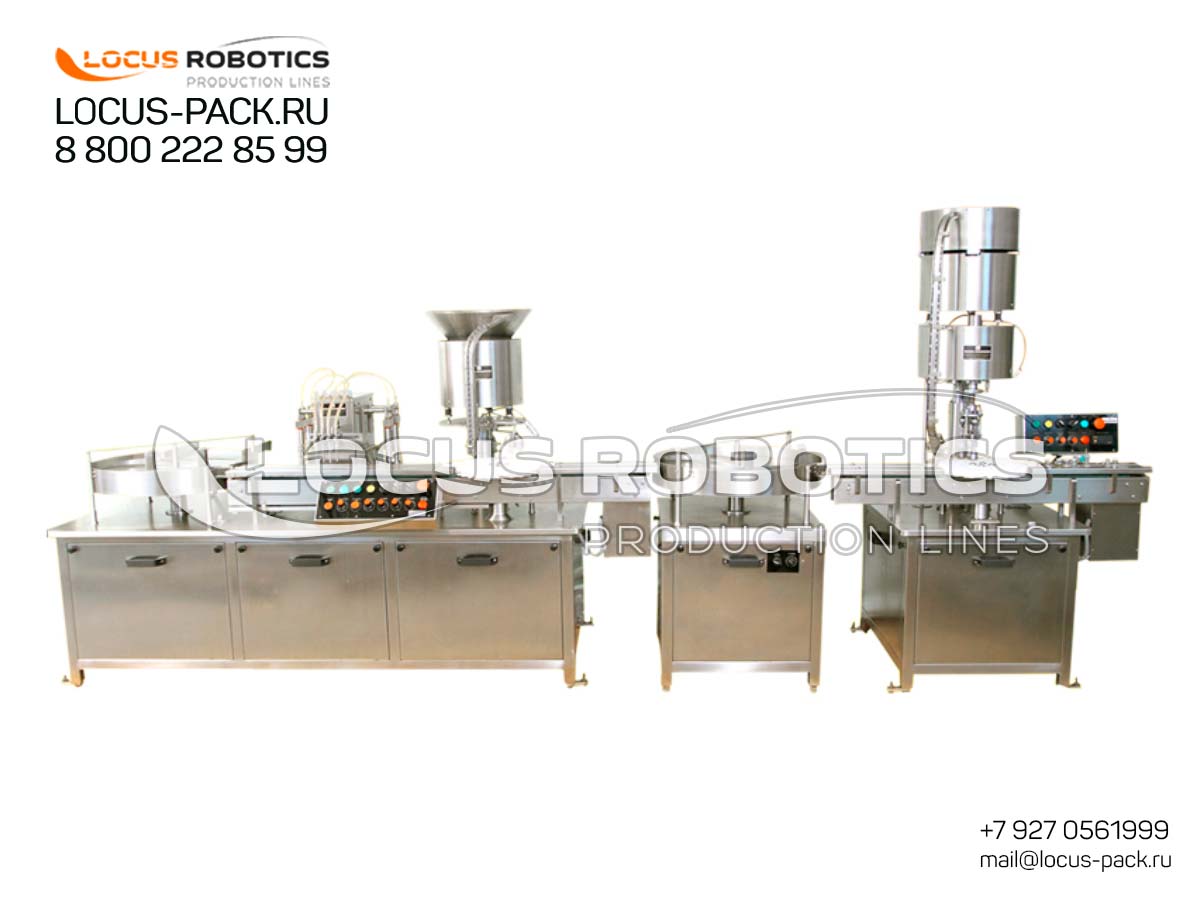
Description
Precision Engineered for Critical Aseptic Processes: From Liquid to Lyophilized Drugs
In the world of sterile pharmaceutical manufacturing, equipment is not merely a tool but a fundamental component of product safety and efficacy. The R-200 Automatic Filling Line is specifically conceptualized and built to address the unique challenges of aseptic processing, particularly for parenteral drugs and lyophilized products. Its design philosophy centers on reducing operator intervention, minimizing aerosol generation, and preventing contamination risks at every critical point—from the moment the sterilized vial is presented to the final crimped seal. The line’s architecture supports the filling of liquids destined for freeze-drying as well as the reconstitution fluids, making it an ideal, versatile asset for facilities producing oncologicals, vaccines, antibiotics, and high-value biologics. By integrating the stopper placement (stoppering) process inline, it eliminates a manual transfer step that represents a significant contamination risk, thereby enhancing sterility assurance and overall process reliability for manufacturers who cannot afford compromises.
Specialized Configuration for Lyophilized (Freeze-Dried) Pharmaceutical Products
Lyophilization presents distinct handling requirements, and the R-200 line is configured to excel in this area. The system can be adapted for «pre-stoppering» or «final stoppering» operations. In a lyo process, partially seated stoppers allow for sublimation during freeze-drying. The line’s precise handling ensures stoppers are placed correctly on vial openings for transfer into the lyophilizer. Post-lyophilization, the same or a dedicated station can complete the stoppering process before sealing. This specialized functionality, combined with the accuracy of the piston filler for both the initial drug solution and any subsequent diluent, makes the R-200 a comprehensive solution for the complete lyophilized product fill-finish pathway.
Complete Technical Specifications and System Architecture for Aseptic Filling
For engineers and validation teams planning critical aseptic operations, detailed and unambiguous specifications are paramount. The table below provides a comprehensive overview of the R-200 line’s capabilities.
| Parameter Category | Detailed Specification |
|---|---|
| Primary Application | Sterile Pharmaceutical Fill-Finish: Lyophilized Drug Products, Injectable Solutions, Suspensions, Vaccines, Biologics. |
| Process Focus | Aseptic Filling, Stoppering, and Aluminum Overseal Crimping. Compatible with lyophilization cycle integration. |
| Primary Container | Glass Vials: Penicillin vials, serum vials. Various sizes (2R, 5R, 10R, 20R). Can be adapted for other sterile containers. |
| Closure System | 1. Elastomeric Rubber Stoppers (bromobutyl, chlorobutyl). 2. Aluminum Flip-Off Overseals (smooth, tear-off types). |
| Filling System | Type: Linear Piston Filler (Aseptic Design). Number of Heads: Configurable (2, 4, 6). Accuracy: Better than ±0.5% (product dependent). Contact Parts: 316L Stainless Steel, Electropolished. Optional peristaltic pump heads. |
| Stopper Handling | System: Vibratory Bowl Orienter & Aseptic Transfer. Function: Washes, sterilizes (via SIP or batch autoclaving), orients, and places stoppers onto filled vials. |
| Sealing System | Type: Rotary (Carousel) Crimping Machine. Function: Applies and rolls aluminum Flip-Off caps onto vials with stoppers, creating a hermetic seal. Torque/Seal Quality: Consistently controlled. |
| Conveyance & Handling | Type: Stainless Steel Timing Screw System & Rotary Accumulation Table. Purpose: Gentle, precise vial indexing between stations; provides buffer for asynchronous operations. |
| Control & Automation | Brain: Industrial PLC with SCADA/HMI Interface. Features: Recipe Management, Parameter Tracking (fill volume, torque), Audit Trail, Data Export for 21 CFR Part 11 Compliance (optional). |
| Construction & Materials | Frame: 304 or 316L Stainless Steel, polished. Design: Hygienic, with rounded corners, sloped surfaces, and minimal ledges. Suitable for cleanroom installation. |
| Compliance & Standards | Design Standards: cGMP, GMP Annex 1, FDA Principles. Cleanroom Class: Designed for operation in ISO Class 5 (Grade A) environments with appropriate guarding. Certifications: CE, Pressure Equipment Directive (PED) as applicable. |
| Utilities & Requirements | Electrical: Customizable voltage (110V/220V/380V/480V). Clean Compressed Air: Oil-free, dry. Potential for Gases: Nitrogen purging capability for oxygen-sensitive products. |
Core Component Deep Dive: Integrated Filling, Stoppering, and Sealing
Linear Piston Filler: Volumetric Precision in a Sterile Environment
The linear piston filler is the cornerstone of dosage accuracy. Each filling head operates with a ceramic or polished stainless-steel piston and cylinder, providing a clean, non-shearing positive displacement action. This is crucial for sensitive biological products and ensures the fill volume is independent of product viscosity or slight pressure variations. The aseptic design includes steam-in-place (SIP) or clean-in-place (CIP) capabilities, and the product pathway is designed to be fully drainable. Quick-disconnect mechanisms allow for rapid changeover and offline sterilization of fluid contact parts, which is a standard requirement in multi-product pharmaceutical facilities.
Vibratory Stopper Orientation and Aseptic Transfer System
Handling sterile stoppers is a critical unit operation. This system automatically sorts, orients (correct side up), and transfers rubber stoppers from a vibratory bowl feeder directly to the vial lane. The system is designed to interface with stopper sterilization processes, such as receiving stoppers from a batch autoclave via a sterile transfer tunnel or integrating with an on-site sterilizer. This closed or semi-closed transfer is vital for maintaining the sterility of the component before it contacts the filled product, a key tenet of modern aseptic processing guidance.
Rotary Sealing Machine for Aluminum Flip-Off Caps (Overseals)
The final step of imparting a tamper-evident, hermetic seal is performed by a rotary crimping (sealing) machine. This station picks up individual aluminum caps, places them onto vials with seated stoppers, and uses rotating rollers to crimp the cap’s skirt neatly under the vial’s flange. The sealing process is controlled to apply consistent force, ensuring each seal is intact and readily removable by the end-user. The design of this station prevents metal particulates and is constructed for easy integration into a cleanroom’s contamination control strategy.
Built for Uncompromising Compliance: GMP, cGMP, and Sterility Assurance
This equipment is not merely machinery; it is a validated system designed to be part of your pharmaceutical quality system. Its construction follows PIC/S and EU GMP guidelines, with a focus on materials of construction (316L SS), cleanability, and documentation. The design supports the principles of Quality by Design (QbD). We provide extensive Documentation Support Packages that can include User Requirement Specifications (URS), Functional Specifications (FS), and essential documentation to aid your Installation, Operational, and Performance Qualification (IQ/OQ/PQ) protocols. This comprehensive approach significantly reduces your time-to-market and validation burden, providing regulatory confidence for audits by international health authorities.
Engineered for Global Deployment: Support for Emerging Pharma Hubs
Recognizing the growth of pharmaceutical manufacturing in regions like the Middle East, Southeast Asia, Africa, and Eastern Europe, the R-200 line is built for global reliability. Key features for these markets include robust construction for demanding environments, voltage flexibility, and multi-language HMI support. More importantly, we back the technology with a specialized pharmaceutical support network. This includes access to technical specialists familiar with validation processes, regional spare parts inventory for critical components, and the availability of on-site commissioning and training by engineers versed in both the machine and global GMP expectations. This local-for-local support model is essential for ensuring ongoing compliance and operational success.
Frequently Asked Questions for Pharmaceutical Filling Line Integration
-
Q: Can this line be integrated with an isolator or Restricted Access Barrier System (RABS)?
-
A: Absolutely. The R-200 line is designed with a modular and compact footprint that facilitates integration into advanced aseptic containment strategies. We can provide the machine with appropriate interface plates, glove ports, and transfer systems (rapid transfer ports — RTPs) for seamless integration into an isolator or RABS supplied by you or a partner, creating a state-of-the-art aseptic filling suite.
-
-
Q: What level of documentation and validation support do you provide?
-
A: We provide a core documentation package that is essential for any GMP equipment. This typically includes detailed technical drawings, material certificates, wiring diagrams, and a comprehensive operation/maintenance manual. Furthermore, we offer enhanced GMP Documentation and Validation Support Services, which can deliver protocol templates (IQ/OQ), risk assessments (FMEA), and traceability matrices to directly assist your qualification team.
-
-
Q: How do you handle changeover between different vial sizes and products?
-
A: The line is designed for efficient changeover, a necessity in multipurpose facilities. Change parts for the timing screw, vial guides, stopper handling tracks, and sealing head are typically employed. These parts are designed for quick installation and removal. Furthermore, the PLC control system allows for the storage of «recipes,» which recall all machine parameters (fill volume, piston stroke, conveyor speed, crimping torque) for a given product, ensuring reproducible setups and minimizing human error.
-
-
Q: Is the line suitable for handling highly potent or cytotoxic products?
-
A: The standard line is designed for aseptic processing. For potent compounds requiring containment, specific engineering controls must be added. We can discuss options such as containment enclosures, split valve technology for the filler, and negative pressure zones to protect operators and the environment, tailoring a solution to meet your occupational exposure limits (OELs).
-
📜 Schedule virtual airflow visualization test.
💡 Mention your: Target market (EU/US/Global South), Active ingredient, Required throughput.
🔬 Schedule virtual factory acceptance test with our engineers.
🏷️ Request Compliance Audit: Free gap analysis with throughput simulation.
🔍Ready to Eliminate Production Bottlenecks?
💎Need Industrial Production Automation?
✅ GMP Compliance Guarantee
✅ 24/7 Multilingual Support
✅ 24-month performance guarantee
✅ Local technicians in 18 countries
📈Start small, get a free production layout designed for your growth trajectory. Scale smarter with engineering support!
📥Free line configuration for your products, throughput validation testing!
🎓Contact Specialists for Packaging Equipment:
📄 On-Demand Engineering: Product-specific configurations in 1-2 weeks.
🔧 Spare Parts Kits: Region-specific inventory for <24hr delivery.
🧼Compliance Roadmap:
- CE, EAC, ISO 9001 certifications.
- GMP-ready: 316L SS contact parts, CIP/SIP capabilities.
- ATEX options for chemical solvents.