


Description
R-300 Series: Semi-Automatic Filling and Capping Line for Construction Chemicals (Primers, Putties, Varnishes)
The Pragmatic, Entry-Level Solution for Specialized Formulations
The construction chemical sector, encompassing products from primers and putties to specialized varnishes and lacquers, often involves formulations that are viscous, abrasive, or solvent-rich. Packaging these materials efficiently without a massive capital investment is a key challenge for growing brands and specialty manufacturers. The R-300 Semi-Automatic Line addresses this need directly. It represents a focused, no-frills automation solution that significantly upgrades from purely manual processes. By providing precise volumetric control and automated sealing, it enhances production speed, ensures batch consistency, and reduces product waste and labor fatigue. For companies in the building materials, paint and coating, and DIY chemical sectors, the R-300 serves as a robust and reliable workhorse, delivering a swift return on investment and laying a solid foundation for future production scaling.
Machine Configuration & Operational Workflow
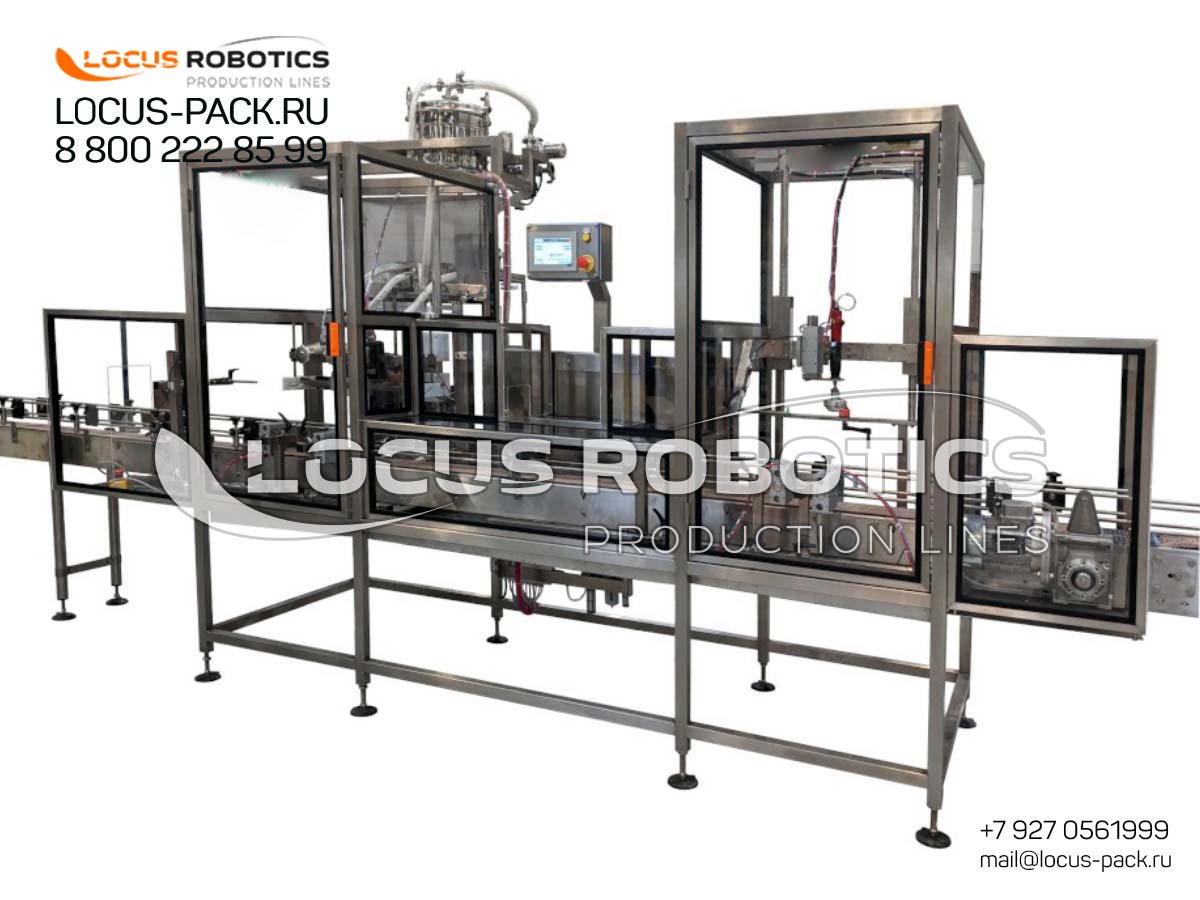
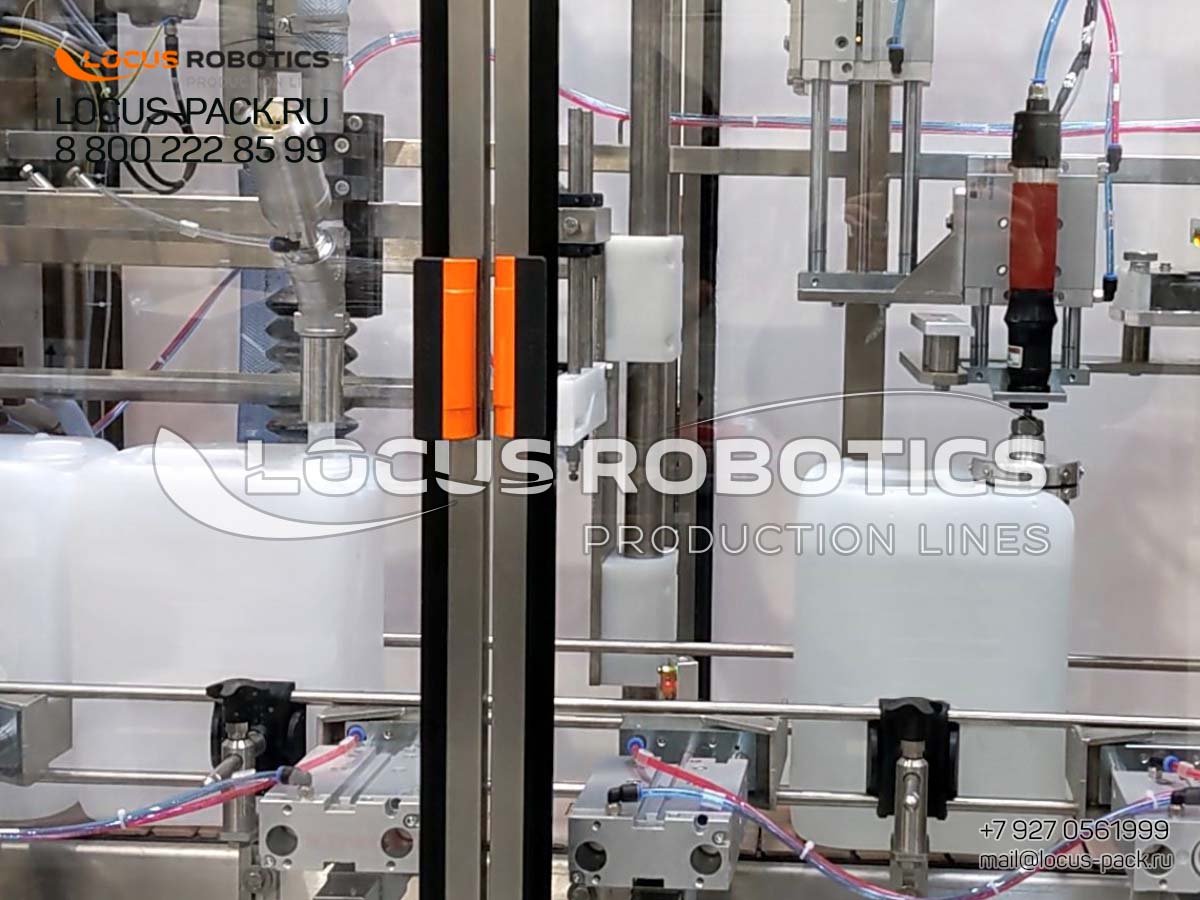
The R-300 is designed as a straightforward, two-stage machine, typically operated by a single user who manages container placement and activation.
-
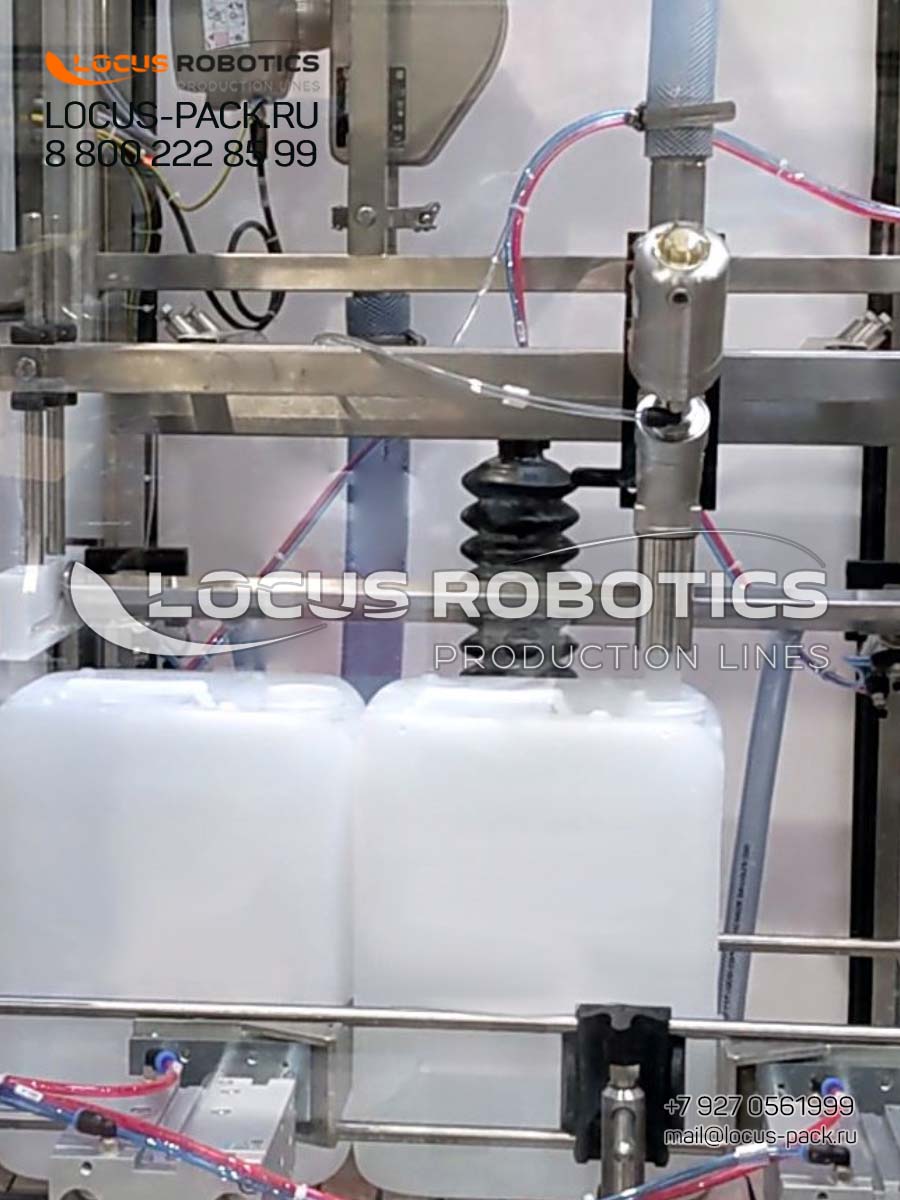
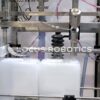
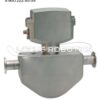
Linear Dispenser with Single-Point Liquid Flow Meter
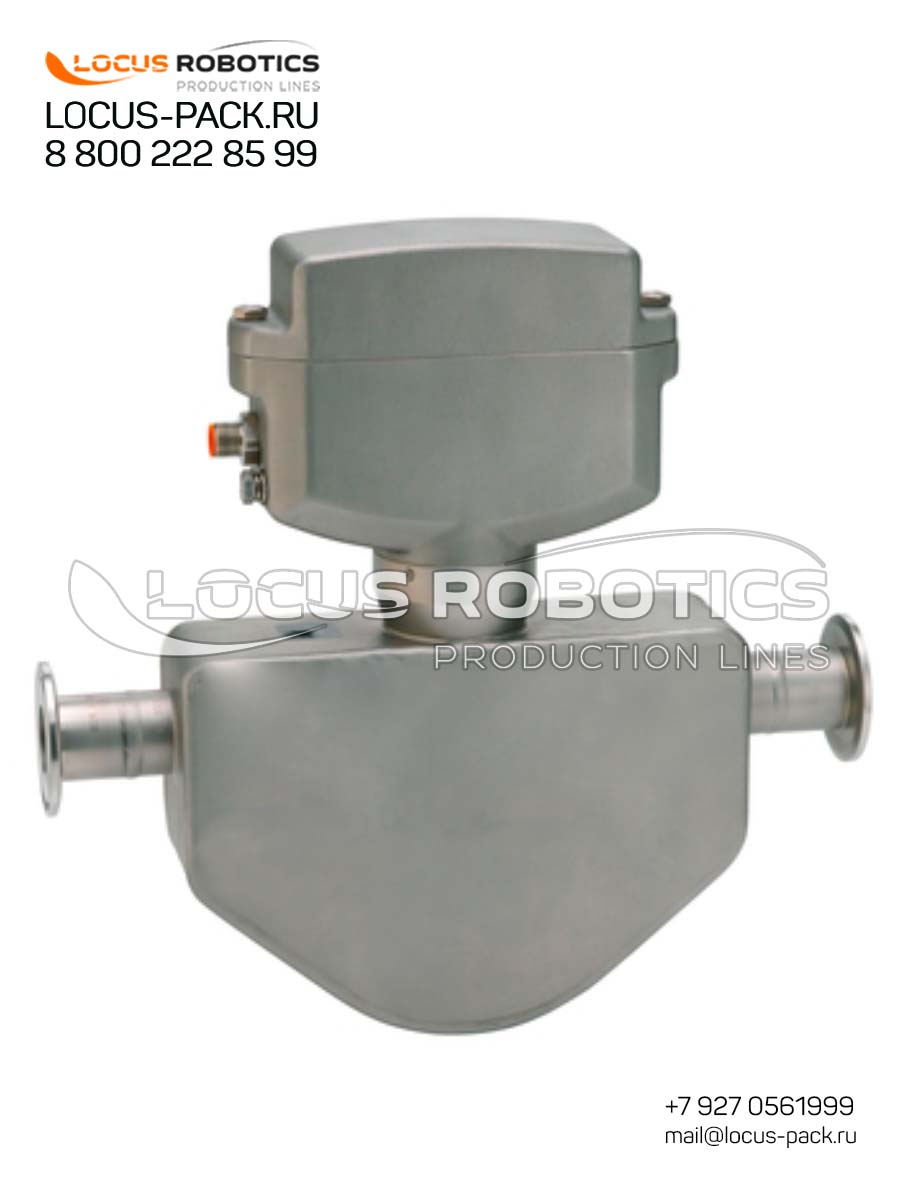
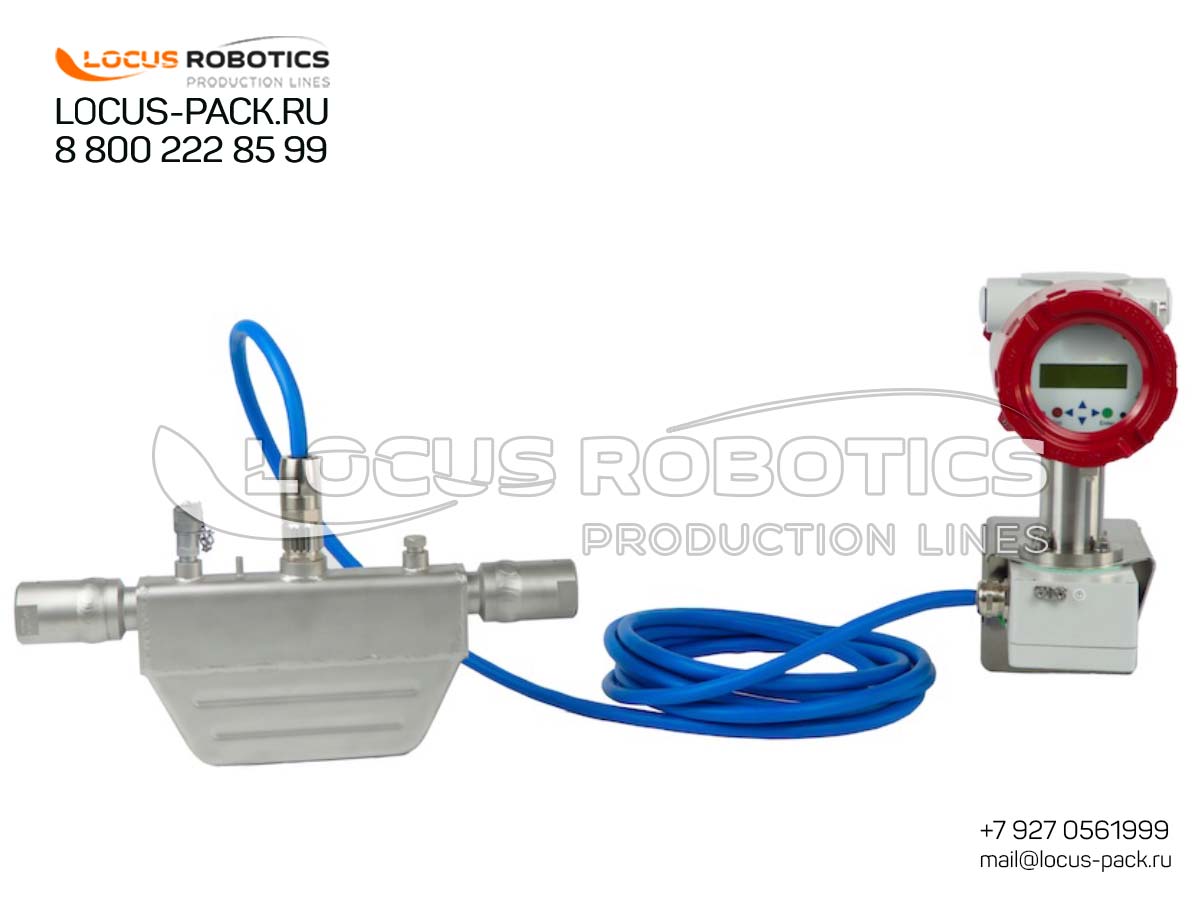
The operator places an empty container (small plastic bottle or can) under the single filling nozzle. The heart of this station is the liquid flow meter, which accurately measures the volume of product dispensed. Upon activation (via foot pedal or button), the pump drives the product from the supply tank through the meter and nozzle into the container. This technology provides far greater accuracy and repeatability than simple timed filling, which is crucial for maintaining consistent fill levels across batches of often expensive raw materials. The system is designed to handle medium to high-viscosity products without clogging. -
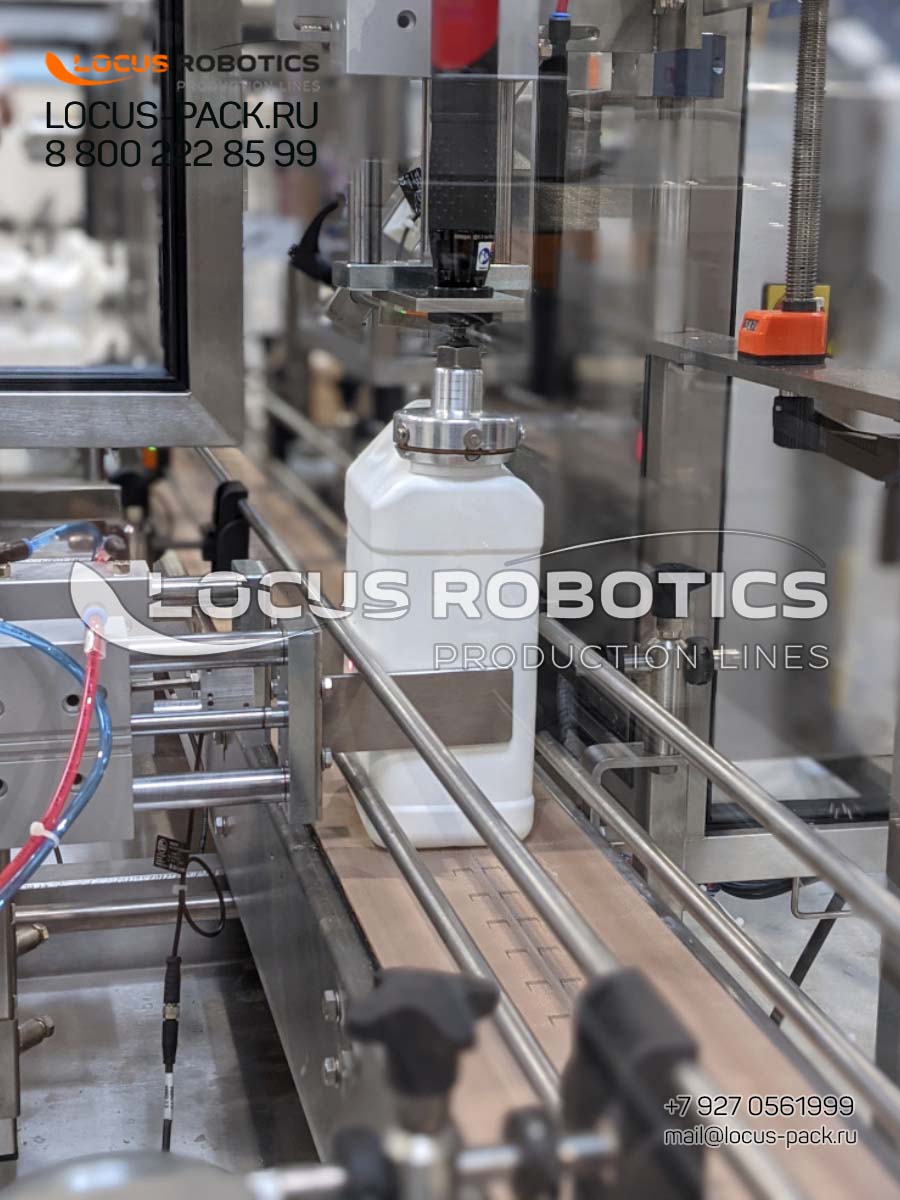
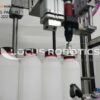
Pneumatic Capping Head for Secure Sealing
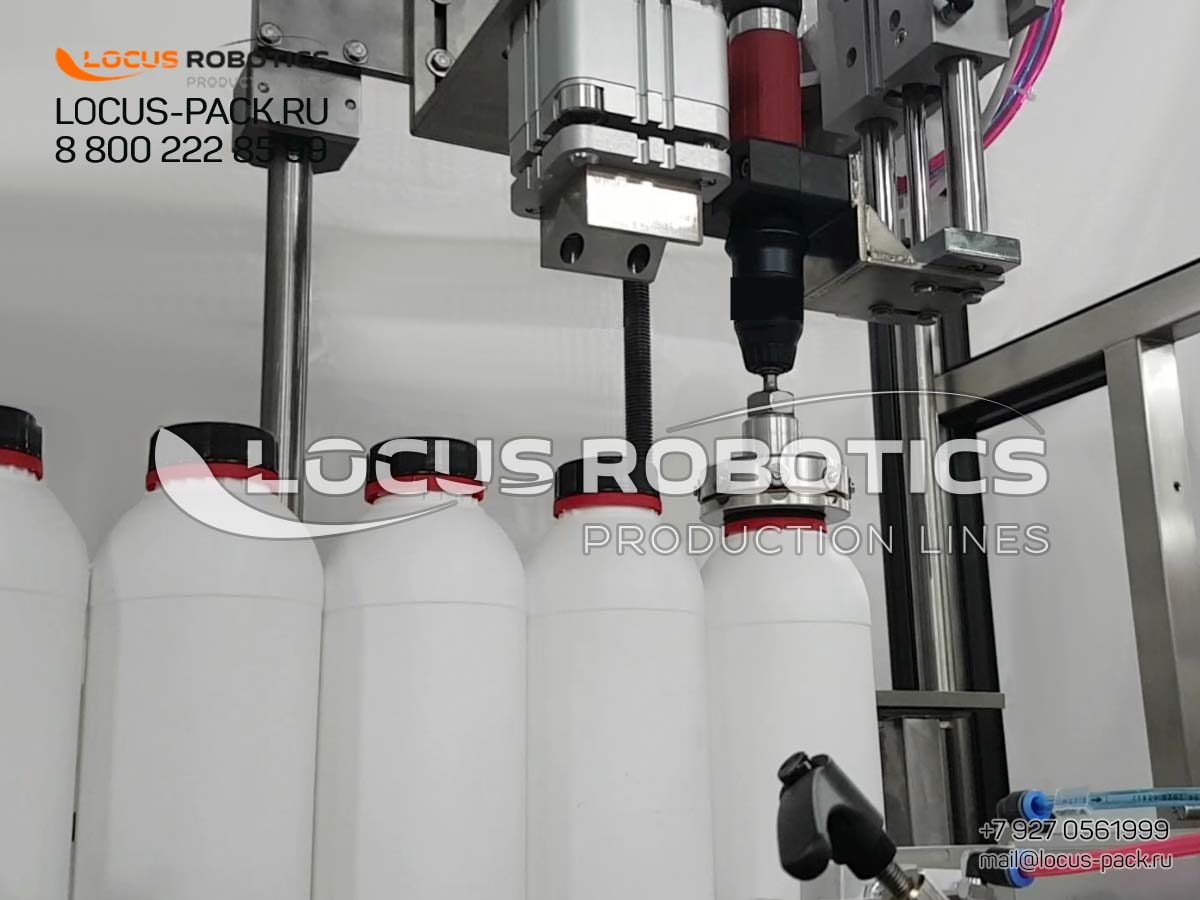
Once filled, the container is manually transferred a short distance to the linear capping station. The operator places a cap (screw cap, snap lid, etc.) onto the container neck. The pneumatic capping head then automatically descends, applying a controlled, adjustable air pressure to press or crimp the cap securely into place. This ensures a uniform, reliable seal that prevents leakage, evaporation of solvents, and contamination during storage and transport.
Target Products & Niche Market Applications
This line is specifically adept at handling a range of building and finishing materials:
-
Surface Primers & Preparations: Acrylic primers, penetrating sealers, concrete treatments.
-
Fillers & Compounds: Acrylic putties, wood fillers, spackling pastes, crack sealants.
-
Coatings & Finishes: Wood varnishes, lacquers, polyurethanes, decorative and protective coatings.
-
Adhesives & Sealants: Construction adhesives, tile grouts (liquid components), caulking compounds.
Key Advantages for Small to Medium-Sized Producers
-
Low-Cost Automation Entry Point: Provides the core benefits of automated filling and capping at a fraction of the cost of a fully automatic rotary or in-line system, making automation accessible.
-
Exceptional Operational Simplicity: Minimal training is required for operators. The intuitive, semi-automatic process reduces complexity and the potential for operational errors.
-
Minimal Space Requirements: The compact, linear design has a very small footprint, making it ideal for workshops, pilot plants, or production areas where floor space is limited.
-
Easy Maintenance and Cleaning: With a simple mechanical design and readily accessible components, routine maintenance and product changeover cleaning are straightforward, minimizing downtime.
-
Flexibility for Short Runs: The manual container handling makes it perfectly suited for small batch sizes, frequent product changes, and low-to-medium volume production, offering great flexibility.
Global Support & Compliance Framework
Even entry-level equipment is backed by our commitment to quality and support.
-
Built to Certified Standards: The R-300 is designed and manufactured to facilitate CE, EAC, and ISO 9001 certifications, ensuring a baseline of international quality and safety.
-
Robust Construction: It features GMP-ready 316L stainless steel contact parts and is designed with CIP/SIP capabilities for rigorous cleaning, with ATEX options available for solvent-based products.
-
World-Class Support Network: Benefit from the same 24/7 multilingual support, 24-month performance guarantee, and rapid regional service from our hubs in Dubai, Hanoi, and Lagos as our larger lines.
Technical Specifications
| Parameter | Specification |
|---|---|
| Line Type | Semi-Automatic, Compact Filling and Capping Line |
| Automation Level | Semi-Automatic (Operator loads container & places cap) |
| Filling System | Single-Nozzle Linear Dispenser with Liquid Flow Meter |
| Capping System | Linear Station with Pneumatic Capping Head |
| Target Containers | Small plastic bottles, cans, flasks (100ml — 5L) |
| Typical Output Speed | Operator-dependent; typically 10-25 containers per minute |
| Primary Application | Viscous Construction Chemicals: Primers, Putties, Varnishes, Sealants |
| Key Advantage | Affordability, Simplicity, Compact Size, Easy Operation |
Frequently Asked Questions (FAQs)
-
Q: What is the main difference between «semi-automatic» and «fully automatic»?
-
A: The key difference is the level of operator involvement. A semi-automatic machine like the R-300 requires an operator to manually place each empty container, activate the fill cycle (often with a pedal), and then place a cap before the machine seals it. A fully automatic line uses conveyors and sensors to move containers between stations without manual handling, achieving much higher speeds but at a significantly higher cost and complexity.
-
-
Q: Can this machine handle very thick, paste-like putties?
-
A: The R-300 is designed for viscous liquids to heavy creams. For extremely thick, paste-like putties with high density and minimal flow, a specialized piston filler or auger filler might be more appropriate. The liquid flow meter system works best with products that can be pumped. We recommend a free product compatibility test to confirm the best technology for your specific material.
-
-
Q: Is this a good machine for starting a new contract packaging business?
-
A: Absolutely. The R-300 is an excellent choice for a startup or small business. Its low initial investment, minimal space requirements, and operational simplicity lower the barrier to entry. It allows you to offer consistent, professional packaging services for niche construction chemical products while building your client base, with a clear upgrade path to higher-speed automation as your business grows.
-
📜 Schedule virtual airflow visualization test.
💡 Mention your: Target market (EU/US/Global South), Active ingredient, Required throughput.
🔬 Schedule virtual factory acceptance test with our engineers.
🏷️ Request Compliance Audit: Free gap analysis with throughput simulation.
🔍Ready to Eliminate Production Bottlenecks?
💎Need Industrial Production Automation?
✅ GMP Compliance Guarantee
✅ 24/7 Multilingual Support
✅ 24-month performance guarantee
✅ Local technicians in 18 countries
📈Start small, get a free production layout designed for your growth trajectory. Scale smarter with engineering support!
📥Free line configuration for your products, throughput validation testing!
🎓Contact Specialists for Packaging Equipment:
📄 On-Demand Engineering: Product-specific configurations in 1-2 weeks.
🔧 Spare Parts Kits: Region-specific inventory for <24hr delivery.
🧼Compliance Roadmap:
- CE, EAC, ISO 9001 certifications.
- GMP-ready: 316L SS contact parts, CIP/SIP capabilities.
- ATEX options for chemical solvents.