
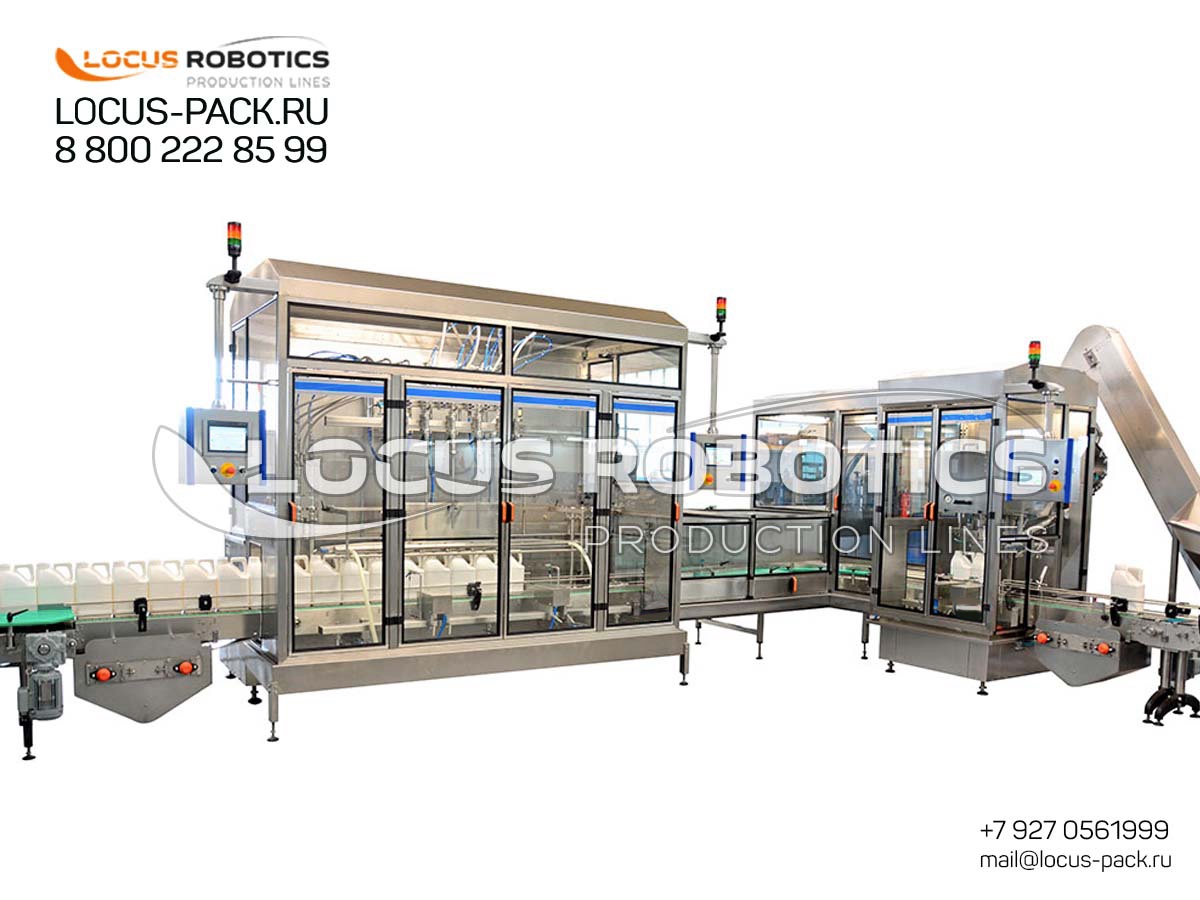
Description
R-300 Series: High-Speed Filling and Capping Line for Motor Oils and Automotive Chemicals with Integrated Conveyor Washing System
Industrial-Grade Hygiene and Precision for Lubricants
In the production of motor oils, gear lubricants, and automotive chemicals, maintaining product purity is non-negotiable. Cross-contamination between different fluid types can lead to catastrophic product failure and damage to vehicle systems. The R-300 Line with its integrated conveyor washing system is specifically engineered to address this fundamental challenge. This advanced packaging line goes beyond standard filling and capping; it incorporates a proactive hygiene management system that automates the cleaning of the primary transport surface. This design is essential for facilities producing multiple SKUs, contract packagers, and additive blenders who require absolute confidence in batch integrity. By combining contamination control with the proven precision of mass flow filling, this line sets a new standard for reliability and quality assurance in the industrial fluids sector.
Technical Configuration & Hygiene Management
The line is designed as a cohesive system where precision filling and automated hygiene work in tandem.
-
Precision Mass Flow Filling for Viscous Fluids
The core of the line is a high-accuracy liquid flow meter (Coriolis mass flow meter) filling system, specifically calibrated for the density and viscosity ranges of automotive fluids. This technology measures product by mass, ensuring consistent fill weights regardless of temperature-induced thinning or thickening—a common issue with oils. The filling nozzles are designed for drip-free, bottom-up or top-down filling to minimize aeration in viscous products. All wetted parts are constructed from materials compatible with hydrocarbon-based and synthetic lubricants. -
Integrated Conveyor Belt Washing Device
This is the line’s defining feature. The conveyor washing device is typically a self-contained module located at the discharge or return section of the conveyor loop. It employs a combination of targeted spray jets (using water, detergent, or a specified solvent) and mechanical brushing or scraping to remove oil residue, grease, and chemical spills from the conveyor belt’s surface. The cleaned and rinsed belt then returns to the infeed area, ensuring that every new container is placed on a clean surface. This closed-loop cleaning process can be activated manually between batches or programmed into the PLC for automated wash cycles, providing a documented hygiene protocol.
Target Products & Core Industry Applications
This line is purpose-built for the automotive and industrial fluids market:
-
Engine & Transmission Oils: Synthetic and mineral-based engine oils, transmission fluids, gear oils.
-
Automotive Functional Fluids: Brake fluid, power steering fluid, antifreeze/coolant, windshield washer fluid.
-
Additives & Specialties: Fuel additives, oil additives, grease components, penetrants.
-
General Industrial Lubricants: Hydraulic oils, compressor oils, industrial gear oils.
Key Features for Safe, Contamination-Free Production
-
Proactive Contamination Prevention: The integrated washer physically removes residue, preventing the carry-over of product droplets or films from one batch to the next, which is critical for maintaining the specifications of high-performance lubricants.
-
Unmatched Accuracy for Viscous Products: Mass flow meters provide superior accuracy over volumetric methods for oils, typically achieving ±0.2% to ±0.5%, ensuring compliance with net content regulations and minimizing costly overfilling of expensive base oils and additives.
-
Robust, Oil-Resistant Construction: The line features sealed electrical components, oil-resistant conveyor belts, and easy-clean surfaces on the frame to withstand the challenging environment of lubricant packaging and facilitate general area wash-downs.
-
Documented Hygiene Procedures: The automated washing cycle provides a consistent, repeatable cleaning result that can be logged by the PLC, supporting quality audits and compliance with stringent manufacturing standards (ISO 9001, IATF 16949).
-
Enhanced Operator Safety: By automating the cleaning of oily surfaces, the line reduces slip hazards and manual cleaning tasks for operators, contributing to a safer workplace.
Technical Specifications & Operational Data
| Parameter | Specification |
|---|---|
| Line Type | Automatic Filling and Capping Line with Hygiene System |
| Key Feature | Integrated Conveyor Belt Washing Device |
| Filling Technology | Coriolis Mass Flow Meters (optimized for oils) |
| Filling Accuracy | Typically ±0.3% (for viscous lubricants) |
| Target Viscosity Range | Low to High (ATF to SAE 140 Gear Oil) |
| Container Range | Common oil bottles (1L, 4L, 5L), jerrycans, pails |
| Capping System | Screw Capping (plastic/metal) or Snap Capping |
| Washing Medium | Water, Detergent, or Specified Solvent |
| Control System | Industrial PLC with HMI for machine & washer control |
| Construction | Oil-resistant materials, stainless steel contact parts, wash-down capable design |
Frequently Asked Questions (FAQs)
-
Q: Why is a dedicated conveyor washer necessary for motor oil packaging?
-
A: Oils and greases are inherently messy and have high adhesion. Even a small amount of a different oil residue contaminating a new batch can alter its additive package or viscosity grade, leading to off-spec product. Manual cleaning is inconsistent and labor-intensive. An integrated washer provides an automated, reliable, and documented solution that is critical for quality control in multi-product facilities.
-
-
Q: Does the washing process create a lot of wastewater or require special drainage?
-
A: The system is designed to be efficient. It typically uses a closed-loop or recirculating tank system with filters to separate oil from the washing medium, minimizing water/solvent consumption and waste. The separated oil can often be collected for disposal or reclamation. We provide specifications for necessary drainage based on the chosen washing configuration.
-
-
Q: Can this line handle filling hot oils directly from a blending tank?
-
A: Yes, the filling system can be configured for hot fill applications. The mass flow meters are temperature-compensated to maintain accuracy, and materials are selected to withstand the thermal expansion and potential vapors from hot oils. It is crucial to specify this requirement during the quotation phase so the system can be appropriately engineered.
-
📜 Schedule virtual airflow visualization test.
💡 Mention your: Target market (EU/US/Global South), Active ingredient, Required throughput.
🔬 Schedule virtual factory acceptance test with our engineers.
🏷️ Request Compliance Audit: Free gap analysis with throughput simulation.
🔍Ready to Eliminate Production Bottlenecks?
💎Need Industrial Production Automation?
✅ GMP Compliance Guarantee
✅ 24/7 Multilingual Support
✅ 24-month performance guarantee
✅ Local technicians in 18 countries
📈Start small, get a free production layout designed for your growth trajectory. Scale smarter with engineering support!
📥Free line configuration for your products, throughput validation testing!
🎓Contact Specialists for Packaging Equipment:
📄 On-Demand Engineering: Product-specific configurations in 1-2 weeks.
🔧 Spare Parts Kits: Region-specific inventory for <24hr delivery.
🧼Compliance Roadmap:
- CE, EAC, ISO 9001 certifications.
- GMP-ready: 316L SS contact parts, CIP/SIP capabilities.
- ATEX options for chemical solvents.